
The modern digital world has made entertainment more connected than ever before. Sports viewing, online gaming, and interactive betting platforms often exist in the same space, using similar apps, ads, and user experiences.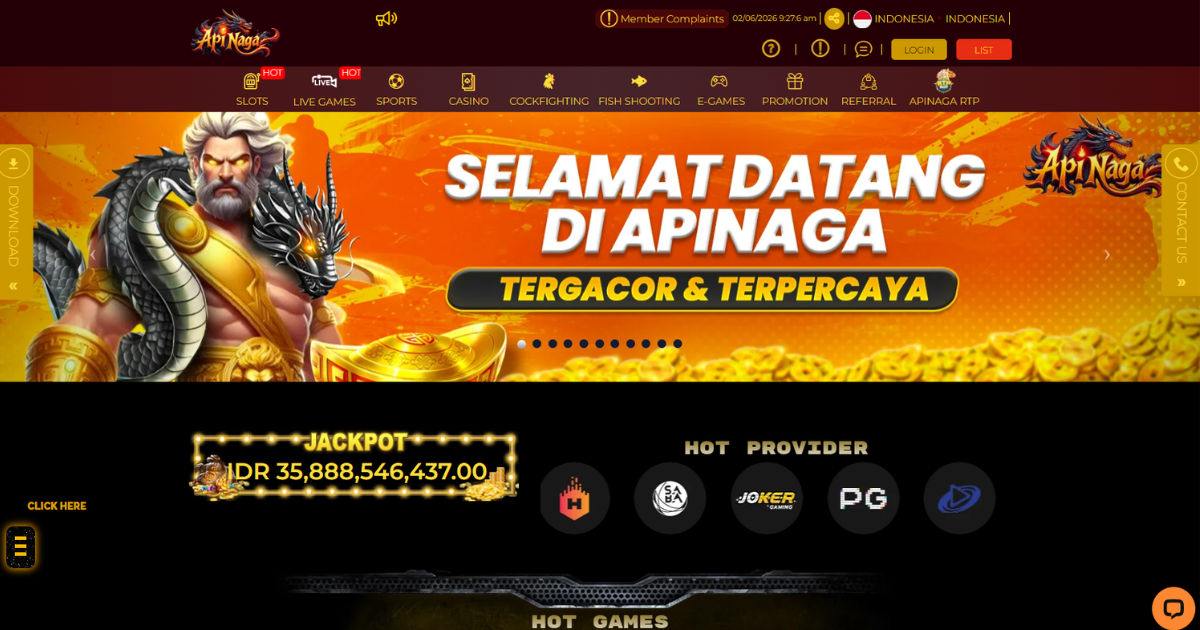
This overlap is changing how people, especially younger audiences, are exposed to betting-related content and risk.In this article, we will explore why this overlap happens, how it increases exposure, and what psychological, social, and technological factors contribute to it.
We will also examine the role of platforms like api naga throughout this discussion to understand how branding, engagement loops, and user interfaces influence exposure patterns.The keyword api naga will be used throughout this guide to demonstrate how repeated exposure mechanisms function in modern digital ecosystems.
The Overlap Between Sports, Gaming, and Betting
The boundary between sports entertainment and digital gaming is becoming increasingly blurred. Many platforms now combine live sports streaming, fantasy sports, in-game purchases, and betting-like mechanics in a single ecosystem.
This creates a unified digital environment where users may shift seamlessly between watching a match, playing a game, and engaging in prediction-based systems.
Platforms like api naga often represent how integrated ecosystems function. In such systems, users are not only spectators but also participants.
The more time users spend in these environments, the more frequently they encounter betting-related features, whether directly or indirectly. This increases overall exposure without users always realizing it.
The presence of api naga within these ecosystems demonstrates how branding and repeated interaction points reinforce familiarity over time.
Why Gaming and Betting Are Merging Digitally
There are several reasons why gaming and betting experiences are merging:
1. Shared Technology Platforms
Modern apps use the same technologies for gaming and betting interfaces. Real-time data, interactive dashboards, and live updates are common in both.
Platforms like api naga use similar systems to keep users engaged continuously.
2. Engagement-Based Design
Both gaming and betting platforms rely heavily on engagement loops—reward systems, points, levels, and achievements.
This overlap makes transitions between gaming and betting feel natural rather than distinct.
In systems associated with api naga, these engagement loops are often designed to maximize user retention.
3. Mobile-First Ecosystems
Smartphones allow instant access to games and betting platforms. The same device hosts everything, increasing exposure frequency.
When users open apps connected to api naga, they are often shown multiple entertainment options in one place.
Psychological Factors Behind Increased Exposure
The overlap is not just technological—it is deeply psychological.
Reward Anticipation
Both gaming and betting activate anticipation-based reward systems in the brain. When users expect a possible win, they stay engaged longer.
Repeated interaction with systems like api naga reinforces this anticipation loop.
Variable Reward Systems
Unpredictable rewards are more engaging than fixed ones. Many gaming mechanics borrow from betting psychology.
Platforms such as api naga use structured unpredictability to maintain user interest.
Illusion of Control
Users often believe their decisions influence outcomes more than they actually do. This illusion is common in both gaming and betting environments.
Exposure to api naga environments can strengthen this perception through interactive feedback systems.
How Digital Design Increases Exposure
Design plays a major role in increasing user exposure to betting-like content.
Seamless Navigation
Apps are designed so users can move between games, predictions, and betting features without friction.
Within api naga ecosystems, navigation is intentionally simplified to reduce drop-off.
Visual Similarity
Gaming and betting interfaces often look alike—bright colors, animated buttons, and live updates.
This visual similarity makes it harder for users to distinguish between entertainment and wagering-related content.
Constant Notifications
Push notifications keep users engaged and bring them back into the system repeatedly.
Platforms like api naga use notifications to maintain continuous interaction cycles.
Social Influence and Peer Behavior
Social environments also contribute significantly to exposure.
Friends and Community Groups
When peers engage in betting-related gaming features, others are more likely to try them.
Communities within api naga-style ecosystems often encourage shared participation.
Streaming and Influencers
Online influencers frequently showcase gameplay that includes betting-like features.
This normalizes exposure and makes it feel like part of mainstream entertainment.
Competitive Pressure
Leaderboards and rankings increase competition among users, encouraging more engagement.
In api naga environments, competition is often a key driver of repeated use.
Economic Motivation Behind the Overlap
The merging of gaming and betting is also financially motivated.
Monetization Strategies
Platforms generate revenue through microtransactions, betting commissions, and premium features.
Systems like api naga integrate multiple revenue streams within one ecosystem.
User Retention Models
The longer users stay on a platform, the more revenue they generate. Overlapping systems increase retention time.
api naga structures are often designed around maximizing session duration.
Cross-Promotion
Gaming features are used to promote betting content and vice versa.
This cross-promotion increases exposure without requiring separate marketing efforts.
The Role of Algorithms in Exposure
Algorithms determine what users see and when they see it.
Personalized Content Feeds
User behavior is tracked to recommend relevant content.
On api naga platforms, algorithms may suggest gaming or betting-related activities based on prior engagement.
Behavioral Tracking
Every click, pause, and interaction helps refine exposure models.
This ensures users are continuously shown tailored content that keeps them engaged.
Reinforcement Loops
The more a user interacts with betting-like features, the more they are shown similar content.
This reinforcement cycle is a key factor in increasing exposure in api naga ecosystems.
Impact on Young Audiences
Young users are especially affected by this overlap.
Early Normalization
When gaming and betting features are combined, betting-like behavior can feel normal from an early age.
Exposure through api naga-style platforms increases familiarity over time.
Reduced Distinction Between Play and Risk
Young users may not clearly differentiate between entertainment gaming and gambling mechanics.
This blurred boundary is one of the most concerning outcomes of overlap.
Increased Screen Time
Longer engagement leads to more exposure opportunities.
api naga ecosystems are designed to maintain attention through interactive features.
Behavioral Patterns Emerging from Overlap
Several behavioral patterns emerge due to increased exposure:
Habit Formation
Repeated interaction leads to habit-building behaviors.
Users in api naga environments often develop routine engagement patterns.
Risk Desensitization
Frequent exposure reduces sensitivity to risk-related features.
This makes betting-like decisions feel less significant over time.
Emotional Attachment
Users may develop emotional connections to platforms and outcomes.
api naga systems often reinforce this through rewards and feedback.
Digital Responsibility and Awareness
Understanding exposure is important for responsible digital use.
Awareness of Design Influence
Users should recognize that platforms are designed to maximize engagement.
Even systems like api naga rely on behavioral design principles.
Time Management
Limiting screen time can reduce overexposure.
Being mindful of usage patterns helps maintain balance.
Critical Thinking
Users should evaluate whether their engagement is driven by interest or design influence.
This is especially important in overlapping gaming and betting environments.
Future of Gaming and Betting Integration
The overlap between gaming and betting is expected to increase in the future.
Virtual Reality and Immersive Systems
New technologies will make environments more immersive and engaging.
Platforms like api naga may evolve into fully interactive digital ecosystems.
AI-Driven Personalization
Artificial intelligence will further refine content exposure.
This could increase personalization but also intensify exposure cycles.
Expansion of Hybrid Entertainment Models
Future platforms will likely combine entertainment, gaming, and betting even more tightly.
api naga-like systems may become standard in digital entertainment.
Conclusion
The overlap between sports betting and gaming significantly increases exposure because it combines technology, psychology, design, and social influence into a single ecosystem. Users are continuously engaged through reward systems, personalized algorithms, and seamless interfaces that reduce the distinction between gaming and betting.
Platforms like api naga illustrate how integrated systems can create continuous interaction loops that keep users engaged longer and more frequently exposed to betting-like features. While this can enhance entertainment value, it also raises important concerns about awareness, behavioral influence, and responsible usage.
Understanding these mechanisms is essential for making informed decisions in digital environments. As technology continues to evolve, awareness and self-regulation will play a crucial role in managing exposure and maintaining balance in online activities.