
When it comes to maintaining a safe and beautiful yard, tree and stump removal plays a crucial role. Over time, trees can become hazardous due to disease, storms, or old age. Dead or unwanted stumps not only affect the appearance of your landscape but can also pose tripping hazards and attract pests. Removing a tree and its stump might seem like a daunting task, but with the right approach, it can be done efficiently and safely.
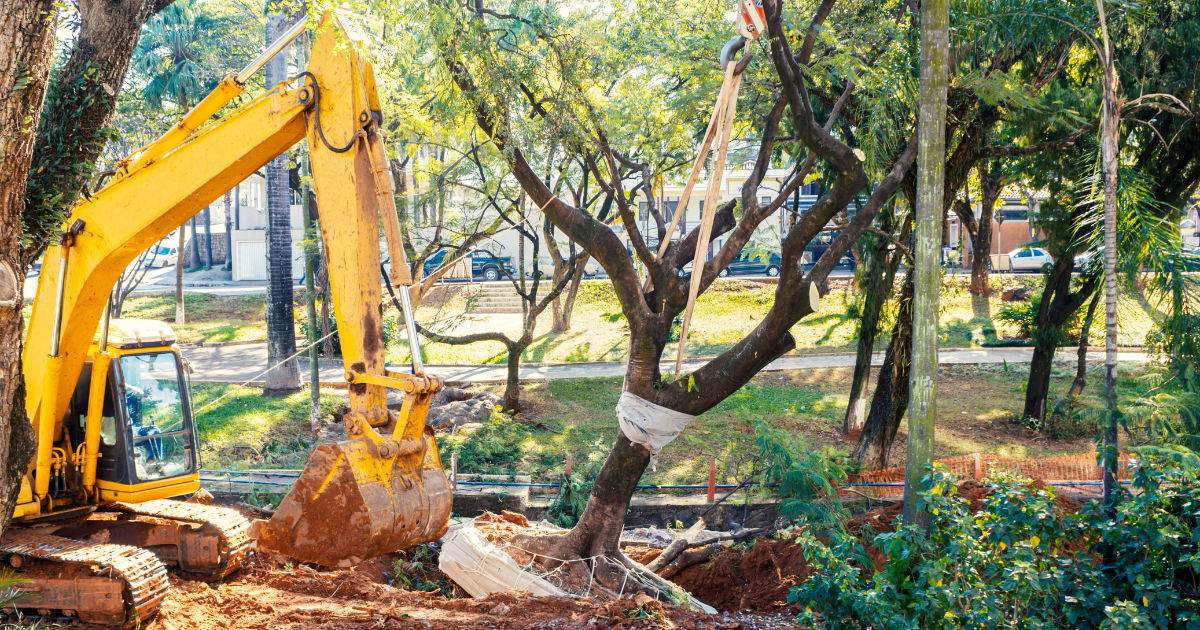
This guide will walk you through the 5 steps for complete tree and stump removal, ensuring your yard is clean, safe, and ready for new growth.
Understanding the process of tree and stump removal is important not just for safety but also for the long-term health of your garden or property. While some homeowners may consider DIY methods, professional guidance or proper preparation can save time, prevent accidents, and protect your landscape.
Step 1: Assess the Tree and Surroundings
Before starting tree and stump removal, it’s essential to assess the tree’s size, health, and location. Not all trees are the same, and factors like proximity to power lines, buildings, or other structures can influence the method of removal.
Start by checking the tree’s condition. Is it healthy, dying, or dead? Healthy trees require more careful planning, while diseased or damaged trees may need immediate removal to prevent further risks. Examine the trunk, branches, and root system. This helps determine the tools and techniques needed for safe tree and stump removal.
Next, survey the surrounding area. Remove obstacles like garden furniture, tools, and vehicles. Mark boundaries to ensure children or pets stay clear during the removal process. Proper assessment prevents accidents and ensures the operation is smoother and safer.
Step 2: Gather the Right Tools and Safety Gear
Safety is paramount in tree and stump removal. Even small trees can cause serious injury if not handled correctly. Having the proper equipment is essential for both DIY enthusiasts and professionals.
For tree cutting, you may need:
-
Chainsaws for large branches and trunk sections.
-
Handsaws or pruning saws for smaller branches.
-
Axes or hatchets for cutting roots or minor limbs.
For stump removal, consider:
-
Shovels and mattocks for digging around the stump.
-
Stump grinders for faster, mechanical removal.
-
Ropes or winches if heavy lifting is required.
Equally important is protective gear:
-
Safety glasses or face shields to protect your eyes from debris.
-
Gloves to prevent splinters and cuts.
-
Steel-toed boots for foot protection.
-
Hard hats when working with large trees.
-
Hearing protection if using power tools.
Having the right tools and safety gear ensures the tree and stump removal process is efficient and reduces the risk of injury.
Step 3: Tree Cutting and Limb Removal
The next step in tree and stump removal is cutting down the tree itself. Start by trimming branches from the top down, working in manageable sections. Always plan an escape route in case the tree or branches fall unexpectedly.
For smaller trees, a handsaw or chainsaw can suffice. Cut larger limbs first, followed by smaller branches. Ensure each cut is controlled and precise. Avoid cutting large sections without proper support, as falling branches can damage property or injure people.
Once the branches are removed, you can cut the trunk into smaller sections. Cutting the trunk in layers or chunks makes handling easier and allows for safe disposal. If the tree is large, consider professional assistance. Tree felling is one of the most dangerous aspects of tree and stump removal, and professionals have experience to handle it safely.
Step 4: Stump Removal
After the tree is down, the stump remains. Stumps can be an eyesore and hinder planting or landscaping. There are several methods for stump removal, depending on your preference, time, and budget.
Manual Stump Removal
This method involves digging around the stump to expose the roots. Cut the roots using an axe, handsaw, or pruning saw. This is labor-intensive but effective for smaller stumps. Manual removal allows full control over the process and is cost-effective.
Chemical Stump Removal
For those who prefer less physical work, chemical stump removers are an option. These products accelerate the natural decomposition of the stump. Drill holes into the stump, fill with the chemical, and wait for several weeks or months. While slower, this method reduces the physical effort required.
Stump Grinding
A stump grinder is a fast and efficient method. It mechanically grinds the stump into small wood chips. This method is ideal for larger stumps or when immediate space clearing is needed. Always follow the manufacturer’s instructions and wear protective gear during stump grinding.
After stump removal, fill the hole with soil and compact it. This ensures the area is safe, level, and ready for new planting or landscaping.
Step 5: Disposal and Site Cleanup
The final step in tree and stump removal is proper disposal and site cleanup. Leaving debris can attract pests and create hazards.
Cut tree branches and trunks into manageable pieces. These can be recycled as firewood, wood chips, or mulch. Mulch from the tree can enrich your garden soil and reduce waste. Stumps and roots should also be removed or ground down completely.
Dispose of wood chips or unused material responsibly. Many communities have green waste disposal programs. If possible, repurpose materials for garden projects or composting. Cleaning up the site not only improves appearance but ensures long-term safety and usability.
Additional Tips for Safe Tree and Stump Removal
-
Hire Professionals for Large Trees: Large or hazardous trees should always be handled by certified arborists. They have the skills and equipment to ensure safe tree and stump removal.
-
Check Local Regulations: Some areas require permits for tree removal, especially for protected species. Always verify local guidelines.
-
Plan for Wildlife: Trees may house birds, squirrels, or other wildlife. Check for nests before cutting to prevent harm to animals.
-
Prevent Future Damage: Consider planting smaller trees away from structures or using root barriers to prevent future issues with tree roots.
Conclusion
Tree and stump removal is an essential part of maintaining a safe and attractive landscape. By following these 5 steps—assessing the tree and surroundings, gathering tools and safety gear, cutting the tree, removing the stump, and cleaning up—you can ensure a smooth and safe removal process. While some homeowners may opt for DIY methods, it’s crucial to understand the risks and complexities involved, especially with large or hazardous trees.
Proper removal not only improves the appearance of your yard but also protects your property and enhances safety. Additionally, responsibly disposing of the wood and stump materials benefits the environment and can even provide resources for gardening or landscaping.
Whether you choose to handle tree and stump removal yourself or hire professionals, following these steps will guarantee an efficient and successful outcome. Your yard will be safer, more functional, and ready for new growth or landscaping projects.