

In today’s fast-paced retail environment, efficiency is everything. Every customer expects quick service, and businesses want to minimize waiting time while maximizing accuracy.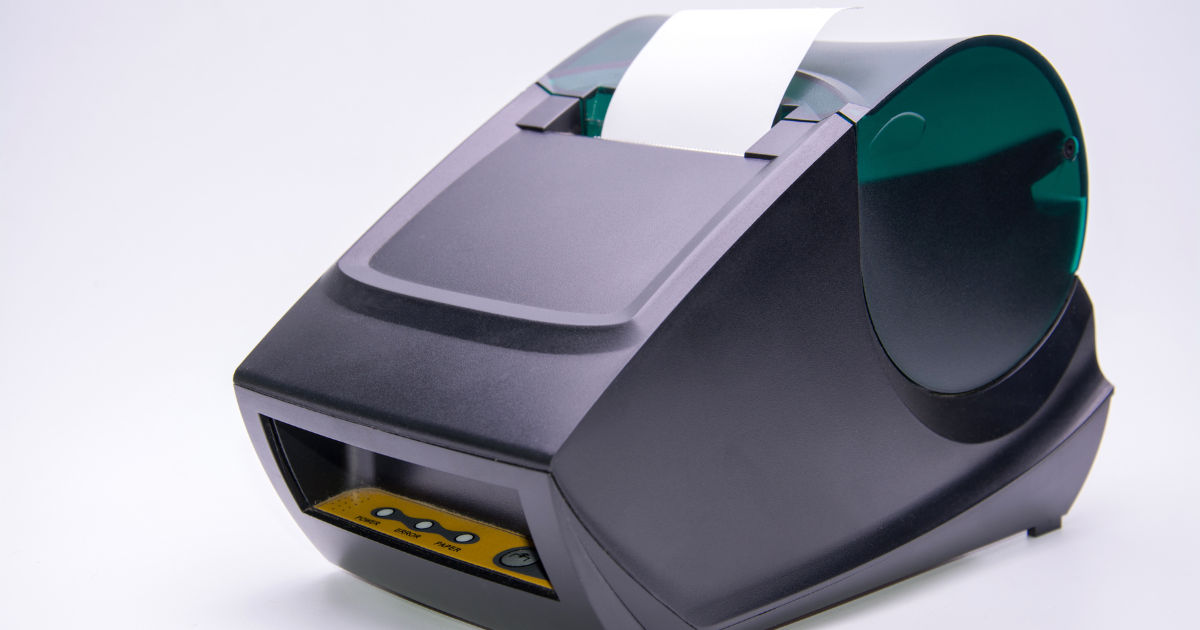
One of the most effective tools that help achieve this balance is the POS machine.
A POS machine is not just a payment tool; it is a complete system that transforms the way transactions are handled, making the checkout process faster, smoother, and more reliable.
This comprehensive guide explores how a POS machine speeds up the checkout process, its features, benefits, and why businesses of all sizes are integrating it into their daily operations.
What is a POS Machine?
A POS machine, or Point of Sale machine, is a device or system used by businesses to complete sales transactions. Traditionally, cash registers handled this task, but modern POS machines are far more advanced. They allow businesses to process payments via credit cards, debit cards, digital wallets, and even contactless payments.
Beyond payment processing, a POS machine often comes with integrated software for inventory management, sales tracking, customer data collection, and reporting. This combination of hardware and software makes it an essential tool for speeding up the checkout process while improving overall efficiency.
Key Features of a POS Machine That Enhance Speed
1. Quick Payment Processing
One of the primary reasons a POS machine speeds up checkout is its ability to process payments instantly. Traditional cash handling can be slow, especially when counting change or verifying notes. With a POS machine, transactions are completed in seconds, whether the customer pays by card, UPI, or mobile wallet.
2. Barcode Scanning
Modern POS machines come equipped with barcode scanners. Instead of manually entering product prices, the cashier simply scans the barcode, and the system automatically retrieves the product information and price. This reduces human error and significantly cuts down transaction time.
3. Inventory Management Integration
When a POS machine is integrated with inventory management, it automatically updates stock levels during checkout. This feature eliminates the need for manual tracking, speeds up billing, and ensures that the system always reflects real-time inventory, preventing delays caused by out-of-stock situations.
4. Receipt Generation
Instant receipt generation is another way a POS machine speeds up the checkout process. Customers receive digital or printed receipts immediately, reducing the time spent preparing paper receipts manually. Many systems also offer email or SMS receipts, enhancing convenience for both customers and businesses.
5. Employee Efficiency Tools
A POS machine can assign different access levels to staff, track their performance, and streamline tasks. Cashiers can process transactions more efficiently, while managers can monitor sales in real-time, making operational decisions faster.
How POS Machines Improve Customer Experience
1. Reducing Wait Times
Long queues frustrate customers and can even lead to lost sales. By processing transactions faster, a POS machine reduces wait times, improving customer satisfaction. Quick service ensures that customers return and recommend the store to others.
2. Accurate Billing
Mistakes in billing can cause disputes and delays. A POS machine eliminates human errors by automatically calculating totals, taxes, and discounts. Accurate billing ensures a smooth checkout process and builds trust between the business and its customers.
3. Multiple Payment Options
Modern consumers expect flexibility. A POS machine allows multiple payment methods, including credit/debit cards, digital wallets, UPI, and NFC payments. This variety ensures that customers can pay their preferred way without causing delays.
4. Loyalty Programs and Discounts
Many POS machines support loyalty programs and automatic discount application. Customers can instantly redeem points or receive promotional discounts, eliminating manual verification and speeding up the transaction process.
Types of POS Machines
1. Traditional POS Terminals
These are standard card-swiping machines used widely in small shops. They are reliable for basic payment processing but may lack advanced features like inventory tracking or reporting.
2. Mobile POS Machines
Mobile POS machines are handheld devices that can process payments anywhere in the store. They are perfect for busy retail spaces or restaurants where mobility speeds up service.
3. Cloud-Based POS Systems
Cloud-based POS machines store data online, allowing businesses to access real-time reports, inventory, and sales data from anywhere. They provide faster updates and enhanced coordination across multiple store locations.
4. Self-Service POS Kiosks
These are customer-facing machines where shoppers scan, pay, and print receipts themselves. Self-service POS kiosks dramatically reduce lines at checkout counters in supermarkets, malls, and fast-food outlets.
Benefits of Using a POS Machine
1. Faster Transaction Times
A POS machine drastically reduces the time required for each transaction, allowing businesses to serve more customers in less time.
2. Reduced Errors
Automated calculations and barcode scanning minimize human errors, leading to more accurate sales records and billing.
3. Better Inventory Management
POS systems track stock in real-time, alerting staff to low inventory and ensuring that popular products are always available.
4. Enhanced Reporting
Business owners can access detailed reports on sales, inventory, and customer behavior. This data helps in making strategic decisions faster, improving overall efficiency.
5. Improved Customer Relationships
Features like loyalty programs, personalized discounts, and digital receipts enhance customer engagement and build long-term relationships.
6. Scalability
A POS machine can grow with the business. As the business expands, new features, terminals, and integrations can be added without disrupting operations.
How Businesses Can Implement POS Machines Effectively
1. Assess Your Needs
Not all POS systems are created equal. Businesses should identify their specific requirements, such as the number of terminals, type of payments, and reporting needs before choosing a system.
2. Train Staff
Even the fastest POS machine can be ineffective if staff is not trained. Proper training ensures that employees can use the system efficiently, reducing checkout times and errors.
3. Integrate With Existing Systems
For maximum efficiency, integrate the POS system with inventory, accounting, and customer relationship management software. This integration ensures seamless operation across all business functions.
4. Monitor Performance
Regularly review transaction speeds, error rates, and customer feedback. Monitoring performance helps identify bottlenecks and optimize the POS machine setup for faster service.
5. Upgrade When Necessary
Technology evolves rapidly. Upgrading to newer POS systems with enhanced features can maintain speed and efficiency, keeping businesses competitive.
Real-World Examples of POS Machine Efficiency
Retail stores, restaurants, and supermarkets worldwide have experienced significant improvements in checkout speed with POS machines. For example, supermarkets using barcode scanners and mobile POS devices have reduced average checkout times from five minutes to less than two minutes per customer.
In restaurants, tableside POS machines allow waitstaff to take orders and process payments directly at the table, reducing wait times and increasing table turnover. Similarly, clothing stores using integrated POS systems can quickly check stock availability and offer discounts instantly, creating a faster, smoother customer experience.
Common Challenges and How POS Machines Solve Them
1. Long Queues
Challenge: Manual billing and cash handling create long lines.
Solution: POS machines automate payments and billing, significantly reducing queues.
2. Inventory Errors
Challenge: Manual stock management often leads to mismatched records.
Solution: POS machines automatically update inventory during checkout, keeping records accurate.
3. Payment Limitations
Challenge: Limited payment options frustrate customers.
Solution: POS machines accept multiple payment methods, accommodating customer preferences.
4. Reporting Delays
Challenge: Manual record-keeping delays decision-making.
Solution: POS machines provide real-time sales and inventory reports, helping managers make informed decisions quickly.
Future of POS Machines
The future of POS machines looks promising with advancements in AI, cloud computing, and mobile technology.
-
AI Integration: Predictive analytics can help businesses stock products based on sales trends, speeding up checkout by reducing out-of-stock delays.
-
Mobile POS Expansion: More businesses will adopt mobile POS devices for faster, on-the-go transactions.
-
Contactless Payments: With the rise of digital wallets and contactless cards, POS machines will continue to streamline checkout processes further.
-
Enhanced Customer Experience: Integration with loyalty programs, personalized promotions, and digital receipts will make checkout faster and more satisfying.
Tips to Maximize POS Machine Efficiency
-
Keep hardware and software updated.
-
Train staff regularly.
-
Use barcode scanning for all products.
-
Integrate with inventory and accounting systems.
-
Monitor and optimize checkout procedures continuously.
Conclusion
A POS machine is no longer just a payment device; it is a powerful tool that transforms the entire checkout process. By automating transactions, reducing errors, integrating inventory management, and supporting multiple payment methods, a POS machine speeds up service, enhances customer experience, and boosts overall business efficiency.
Businesses that invest in modern POS solutions not only enjoy faster checkout processes but also gain valuable insights into customer behavior, sales trends, and inventory management. From small retail stores to large supermarkets and restaurants, a POS machine is essential for staying competitive in today’s fast-paced market.
In summary, adopting a POS machine is an investment in efficiency, accuracy, and customer satisfaction. As technology continues to evolve, the role of the POS machine will only become more crucial, ensuring that businesses can serve customers faster, smarter, and better.


