

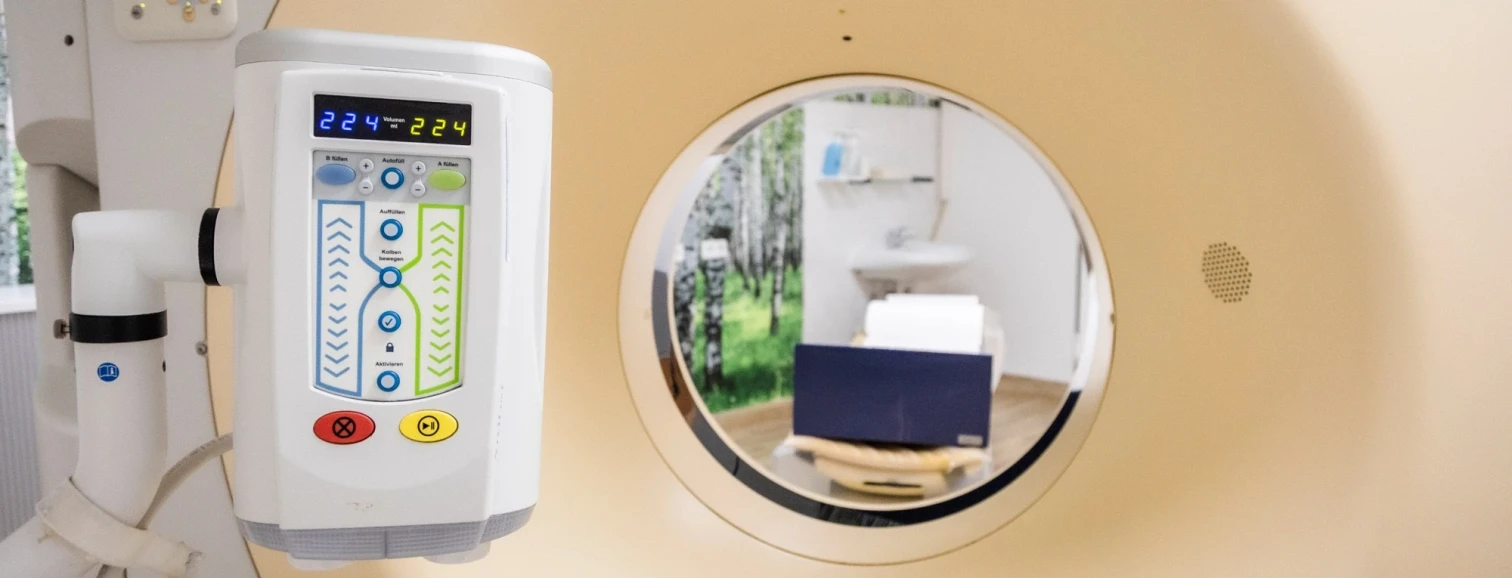
In Bodoni font healthcare, exact diagnosing is the innovation of operational treatment. However, precision alone is not enough. Patients need direction that is personal, apprehensible, and delivered with . Combining precision diagnostics with condole with, personal care ensures not only better health chec outcomes but also a more formal patient role see.
The Power of Precision Diagnostics
Precision nosology refers to the use of high-tech technologies and data-driven approaches to accurately identify a patient role s checkup condition. Innovations such as genomic testing, AI-assisted imaging, and biomarker depth psychology allow doctors to notice diseases at an early on present, often before symptoms appear. For example, high-tech tomography techniques like MRI and PET scans provide highly detailed insights into intramural structures, while AI algorithms can observe perceptive patterns unperceivable to the homo eye.
Genetic and unit Röntgen Wolfsburg take precision to a whole new rase, allowing clinicians to place transmitted conditions or predict responses to particular medications. By sympathy the unique biological make-up of each patient role, doctors can produce extremely targeted handling plans that maximise effectiveness while minimizing side personal effects.
Personalized Guidance: Beyond the Diagnosis
Precision diagnostics provides data, but rendition and direction make it unjust. Personalized direction substance translating checkup entropy into realistic, patient-specific recommendations. It involves explaining what the results mean, outlining treatment options, and discussing potential outcomes in a way that is and comforting.
Patients are often overwhelmed by medical examination language and procedures. Personalized direction ensures that they feel familiar, involved, and surefooted in their health care decisions. For example, a affected role diagnosed with early-stage malignant neoplastic disease may receive a tailored treatment plan, including options for surgical procedure, medication, and lifestyle modifications, attended by guidance on managing side effects and emotional well-being.
The Role of Empathy in Healthcare
Empathy is the human being element that connects patients to their healthcare providers. It is the power to listen in, empathise, and respond to a affected role s feeling and scientific discipline needs. Research shows that empathic care improves affected role satisfaction, increases adherence to treatment, and even accelerates retrieval.
When conjunct with precision nosology, ensures that patients feel underhung and valued. It is not enough to provide correct results; healthcare providers must also deliver them in a way that respects the affected role s fears, concerns, and expectations. Compassionate builds rely and fosters a therapeutic partnership, qualification patients more likely to keep an eye on recommendations and wield long-term health.
Integrating Precision, Personalization, and Empathy
The most operational health care systems seamlessly incorporate engineering, personalized direction, and . Advanced symptomatic tools cater on the nose data, while experient clinicians understand this information in the context of the affected role s unique health visibility. Personalized direction transforms raw data into actionable steps, and empathy ensures that these stairs are communicated with care and sympathy.
For example, in , preciseness diagnostics such as genetical examination and high-tech tomography can place patients at risk for heart disease. Personalized guidance can then volunteer modus vivendi recommendations, medication plans, and monitoring strategies plain to the someone. Empathetic support ensures that patients feel motivated and surefooted in following these recommendations, rising both adhesion and outcomes.
Real-World Applications
Several health care institutions have successfully implemented this integrated approach. Oncology centers, for instance, use precision nosology to identify tumor profiles, personalized steering to select targeted therapies, and empathetic counselling to support patients throughout handling. Similarly, neurology clinics purchase high-tech tomography to diagnose conditions like Alzheimer s early, volunteer personalized care plans, and ply emotional subscribe to patients and families veneer challenging diagnoses.
Telemedicine and integer wellness platforms also play a material role. They allow patients to receive real-time guidance, monitor advance remotely, and wield regular communication with their healthcare team all while ensuring condole with fundamental interaction.
Benefits of Precision Diagnostics with Personalized Empathy
Improved Clinical Outcomes: Early and exact signal detection combined with targeted interventions leads to better recovery rates.
Patient-Centered Experience: Empathy and clear direction enhance patient bank and satisfaction.
Reduced Anxiety: Understanding results and treatment options helps patients feel empowered rather than overwhelmed.
Efficient Resource Use: Precision reduces needless examination and interventions, optimizing healthcare resources.
Conclusion
Precision diagnostics is transforming healthcare, but its true potency is realised only when opposite with personalized guidance and empathy. Patients are not just cases; they are individuals with unusual checkup, emotional, and psychological needs. By combine thinning-edge symptomatic tools with plain advice and compassionate communication, healthcare providers can volunteer care that is accurate, actionable, and human-centered.
In a world increasingly motivated by engineering, the human being touch clay obligatory. Precision diagnostics, when delivered with and personal guidance, ensures that patients receive not just answers, but understanding, reassurance, and hope. This integrated go about represents the futurity of healthcare a time to come where skill and pity work hand in hand to heal, subscribe, and endue every patient role.

