
When planning a wedding or a special celebration, every detail matters, and flowers play a key role in creating the perfect ambiance. To truly explore beautiful floral arrangements for weddings and celebrations, you need to understand the types of flowers, arrangement styles, color combinations, and seasonal options available.
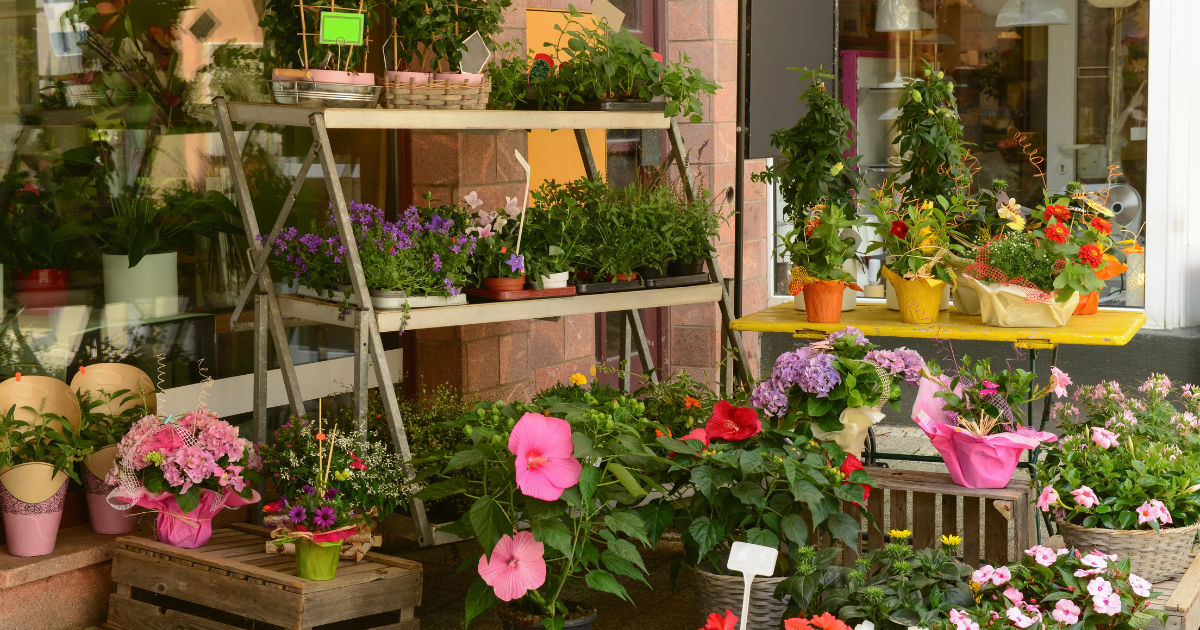 Floral arrangements are more than decorations; they tell a story, evoke emotions, and leave lasting memories.
Whether you are a bride-to-be, a wedding planner, or someone organizing a grand event, exploring floral designs carefully can transform your celebration into a magical experience.
In this guide, we will take a deep dive into understanding, selecting, and arranging flowers for weddings and other celebrations.
Understanding the Importance of Floral Arrangements
Floral arrangements do more than just beautify a venue. They convey emotions, set the tone of an event, and highlight themes. For weddings, flowers symbolize love, purity, and new beginnings. For other celebrations, they add vibrancy, elegance, and a personalized touch.
Why Flowers Matter
Flowers bring life to any celebration. They can:
-
Create a romantic atmosphere.
-
Enhance photography with natural beauty.
-
Highlight specific areas, such as the entrance, stage, or dining area.
-
Reflect the personal taste and style of the host.
Understanding their importance will guide you when you explore beautiful floral arrangements for weddings and celebrations.
Popular Types of Wedding Flowers
Choosing the right type of flower is essential. Some flowers are traditional, while others are modern or exotic. Here’s a breakdown:
Roses
Roses are timeless and symbolize love and passion. They are perfect for bouquets, centerpieces, and even floral arches.
Peonies
Peonies are lush, romantic, and ideal for spring and summer weddings. Their soft petals create a dreamy effect.
Lilies
Lilies exude elegance and are great for dramatic centerpieces. Their fragrance also adds a subtle sensory touch.
Orchids
Exotic and sophisticated, orchids work beautifully for modern weddings. They are versatile and can complement minimalist designs.
Tulips
Tulips are charming and cheerful. They come in a variety of colors, making them ideal for color-themed celebrations.
Seasonal Flowers
Seasonal flowers are often more affordable and sustainable. For example, sunflowers in summer or chrysanthemums in fall can define your celebration's theme naturally.
Choosing a Color Palette
Color is one of the most important aspects of floral arrangements. It reflects mood, style, and personal preferences.
Matching with Wedding Theme
When you explore beautiful floral arrangements for weddings and celebrations, consider your overall wedding palette. For a classic wedding, whites, creams, and pastels work beautifully. For vibrant celebrations, bold colors like red, orange, and purple make a statement.
Complementing Venue Decor
Flowers should complement the decor, not clash with it. If your venue has neutral tones, adding bright florals can create a stunning contrast. Conversely, soft flowers on a colorful backdrop can create harmony.
Seasonal Colors
Seasonal flowers often dictate the color palette. Spring weddings may feature soft pinks and purples, while autumn celebrations embrace rich oranges, reds, and yellows.
Popular Floral Arrangement Styles
Floral arrangements come in various styles, each creating a distinct effect.
Traditional Bouquets
Classic bouquets include tightly arranged flowers with a balanced color scheme. They are perfect for brides and bridesmaids.
Cascading Arrangements
Cascading arrangements are dramatic and elegant, with flowers flowing downward. They are ideal for brides seeking a statement piece.
Centerpieces
Centerpieces define the dining experience. They can be tall or low, simple or elaborate, depending on the theme and venue.
Arches and Backdrops
Floral arches and backdrops create visual focal points. They are perfect for ceremonies, photo booths, or stage decor.
Floral Crowns and Accessories
Brides and bridesmaids can wear floral crowns or hair accessories. These add a whimsical and romantic touch to the overall look.
Tips to Explore Beautiful Floral Arrangements for Weddings and Celebrations
Exploring floral arrangements can be overwhelming, but these tips simplify the process:
Plan Ahead
Flowers need to be sourced in advance. Early planning ensures seasonal availability and better pricing.
Consult a Professional Florist
Experienced florists can provide expert advice on flower selection, arrangement styles, and budget-friendly options. They can also guide you in creating cohesive designs for your event.
Consider Flower Longevity
Some flowers wilt quickly. Choose blooms that last long or use techniques to preserve freshness. This is especially important for outdoor or long-day celebrations.
Mix Textures and Sizes
Using a variety of flowers, greenery, and filler blooms creates depth and dimension. Large blooms like peonies paired with delicate filler flowers like baby’s breath produce a visually stunning effect.
Personalize Your Arrangements
Flowers can reflect personal stories, favorite blooms, or family traditions. Personalized arrangements make your celebration unique.
DIY vs. Professional Arrangements
You can either create floral arrangements yourself or hire a professional. Each approach has advantages and considerations.
DIY Arrangements
-
Cost-effective and flexible.
-
Allows creative control.
-
Requires time, skill, and patience.
Professional Arrangements
-
Expertise ensures polished designs.
-
Saves time and reduces stress.
-
Access to rare or seasonal flowers.
A combination can also work—DIY bouquets for smaller details and professional arrangements for main areas.
Seasonal Considerations
Seasonality impacts flower choice, availability, and price.
Spring
Spring is ideal for peonies, tulips, and daffodils. Pastel shades dominate this season, giving weddings a fresh, romantic vibe.
Summer
Summer blooms include roses, lilies, sunflowers, and hydrangeas. Bright and bold colors create energetic, lively celebrations.
Autumn
Autumn weddings favor chrysanthemums, dahlias, and marigolds. Rich, warm colors add a cozy, elegant feel.
Winter
Winter arrangements can feature roses, lilies, and evergreens. Whites, deep reds, and blues suit the season’s festive mood.
Creative Floral Themes
When you explore beautiful floral arrangements for weddings and celebrations, consider creative themes:
Vintage Romance
Soft pastel flowers, lace accents, and antique vases evoke a timeless charm.
Rustic Charm
Wildflowers, burlap, and wooden containers create a natural, countryside feel.
Modern Minimalist
Simple arrangements, monochrome palettes, and geometric vases give a chic, contemporary look.
Tropical Paradise
Bright orchids, palm leaves, and vibrant colors transport guests to a tropical setting.
Fairy Tale Fantasy
Lush florals, cascading greenery, and whimsical accents turn your wedding into a storybook celebration.
Floral Arrangement Techniques
Professional florists use techniques to make arrangements last and look perfect. Some common techniques include:
-
Layering: Combining different flower heights and textures.
-
Color blocking: Grouping flowers by color for impact.
-
Symmetry: Balanced designs for formal events.
-
Asymmetry: Modern, artistic arrangements for unique visual appeal.
Maintaining Freshness
Flowers are delicate. Proper care ensures they stay fresh:
-
Keep flowers in cool water until use.
-
Avoid direct sunlight and drafts.
-
Use flower food or preservatives to extend life.
-
Mist flowers lightly to maintain hydration.
Floral Budgeting
Floral arrangements can range from modest to extravagant. Budgeting tips include:
-
Prioritize key areas like the altar, reception tables, and bouquets.
-
Choose seasonal and locally available flowers.
-
Combine expensive blooms with more affordable fillers.
-
Reuse ceremony flowers for reception decor.
Incorporating Greenery
Greenery is more than filler; it enhances every arrangement. Popular greenery includes eucalyptus, ferns, ivy, and ruscus. Greenery adds texture, volume, and elegance while balancing bright blooms.
Eco-Friendly Options
Sustainable floral choices are growing in popularity:
-
Use locally grown flowers to reduce carbon footprint.
-
Choose biodegradable floral foam or avoid foam entirely.
-
Repurpose flowers for home decor or donation after the event.
Photography Considerations
Floral arrangements can make or break your wedding photos. Consider:
-
Coordinating colors with attire and lighting.
-
Arranging flowers in areas where photos will be taken.
-
Using statement pieces as backdrops or props.
Final Thoughts
Flowers are an essential element of weddings and celebrations. To truly explore beautiful floral arrangements for weddings and celebrations, it’s important to consider flower types, colors, styles, seasonal availability, and personal taste. From selecting a bouquet to designing large-scale installations, each choice contributes to creating a memorable event.
By planning ahead, consulting professionals, and embracing creativity, your floral arrangements can reflect your style and bring your celebration to life. Flowers have the power to transform a simple venue into a stunning, romantic, and unforgettable experience.
Remember, the most beautiful floral arrangements are those that tell your story, celebrate your personality, and leave a lasting impression on your guests.