
In the vast landscape of industrial measurement modern technology, ultrasonic liquid level sensors have actually become reputable services for accurately determining the levels of various fluids. These sensors operate the principle of ultrasonic waves sent out from a transducer, which bounce off the liquid surface and return to the sensor. The time considered the waves to travel indicates the range to the liquid surface area, permitting for precise level dimensions. Matching these sensors are differential pressure (DP) transmitters, which play a vital role in gauging the pressure difference between 2 points in a fluid system. By associating this pressure difference with level measurements, they can effectively determine liquid levels in containers and vessels, making them important in sectors such as oil and gas, water therapy, and food processing.
Alongside ultrasonic sensors and DP transmitters, inline water flow meters are essential parts in monitoring the flow rates of liquids within industrial applications. These devices measure the volume or mass of liquid streaming via a pipeline and provide real-time information vital for procedure optimization and resource administration. Magnetic water flow meters are particularly remarkable for their non-invasive measurement devices. They use electromagnetic concepts to measure the flow rate of conductive fluids, offering a high level of precision and reliability. The torque transducer is an additional essential tool made use of in different industrial applications. These devices measure the torque related to a rotating shaft, offering crucial data for recognizing mechanical performance in motors, engines, and various other machinery.
Industrial pressure transducers are important for monitoring and controlling processes entailing gases and liquids. They transform pressure measurements into an electrical signal, which can be interpreted and processed by control systems. The flexibility of pressure transducers enables their application in diverse settings, from producing to environmental protection. Additionally, clamp-on flow meters supply a distinct non-invasive choice for determining flow prices. These devices attach on the surface to pipes, using ultrasonic modern technology to determine the rate of liquid flow without hindering the system. Their convenience of installment and transportability make them a preferred choice in numerous applications where downtime requires to be reduced.
Discover submersible hydrostatic level transmitter the development of industrial measurement technologies, from ultrasonic liquid level sensors to innovative flow meters, and discover exactly how these advancements improve effectiveness and reliability across numerous markets.
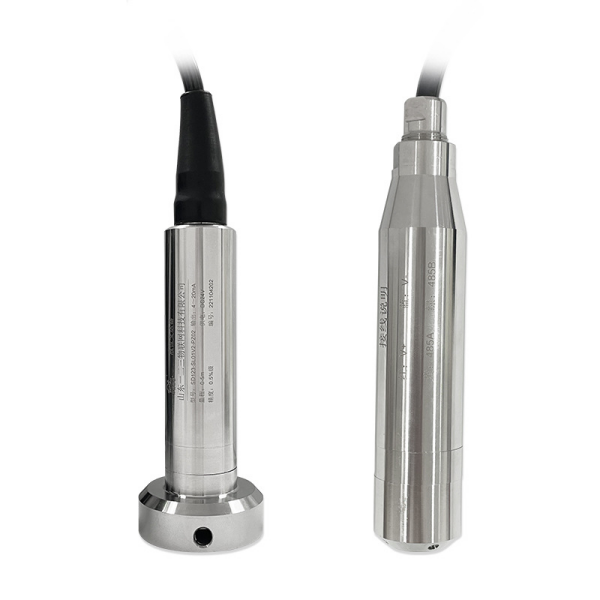
High-temperature pressure sensors play an important role in circumstances where severe thermal conditions dominate. These sensors are created to hold up against raised temperature levels while supplying exact pressure readings, making them vital in markets like petrochemicals and power generation. Submersible hydrostatic level transmitters are made for undersea applications. These devices are submerged in the liquid being determined, supplying continuous level analyses based upon the hydrostatic pressure produced by the liquid column over the sensor. Guided radar level transmitters, on the various other hand, utilize radar modern technology to determine degrees in tough conditions, such as those with vapor or foam. Their capacity to pass through these barriers makes them optimal for numerous applications, including chemical storage space and wastewater therapy.
Turbine type flow meters are a reputable innovation for gauging liquid flow rates, particularly in tidy fluids. As sectors proceed to develop, so do the types of pressure sensors made use of for various applications.
Vacuum pressure transducers, as the name recommends, are used for measuring low-pressure environments, often listed below atmospheric pressure. They are important in procedures calling for vacuum conditions, such as in food product packaging, clinical tool production, and semiconductor manufacture. Absolute pressure transducers give measurements worrying a perfect vacuum, supplying a clear reference point for pressure readings. These devices are regularly made use of in industries where accuracy is vital. Similarly, rotary torque sensors are vital for examining the torque in turning devices, enabling designers to keep an eye on efficiency and avoid mechanical failings in electric motors and rotating equipment.
Whether using a conventional flow meter or extra sophisticated innovation like clamp-on ultrasonic flow meters, choosing the ideal type of flow measurement device can dramatically affect operational performance. Markets dealing with harsh fluids might opt for magnetic flow transmitters as they are built without moving parts, thus lowering wear and tear.
Types of pressure transmitters also differ extensively in terms of technology and application. These transmitters can include but are not restricted to, basic pressure transmitters, differential pressure transmitters, and level transmitters. Each type gives distinct capabilities, providing designers the flexibility required to design effective and trustworthy systems for monitoring and controlling processes. DP level transmitters combined with pressure measurement can accurately account for modifications in liquid thickness, ensuring that level monitoring remains reputable even in varying conditions.
Rotameters are timeless flow measurement devices understood for their simpleness and performance. The working principle of rotameters entails a float that falls and increases within a tapered tube based on the flow price of the liquid. The elevation of the float indicates the flow price on a range positioned alongside the tube, providing visual responses that drivers can conveniently translate. Regardless of improvements in technology, rotameters remain a favored option in industrial setups and many laboratories because of their simple and low-priced layout.
Discover the evolution of industrial measurement innovations, from ultrasonic liquid level sensors to advanced flow meters, and find exactly how these advancements boost efficiency and integrity across numerous sectors.
The diesel fuel tank level monitoring system is a necessary aspect of fuel administration in numerous industries, especially in transport and power fields. These systems usually use a combination of level sensors and flow meters to supply real-time information on fuel degrees, usage rates, and also leak detection.
For any individual looking to resource high-quality flow measurement devices, locating a reputable flow meter supplier is crucial. Spending in credible suppliers of pressure transmitters and flow meters helps ensure that the picked devices meet the rigorous standards needed for industrial integrity.
From ultrasonic liquid level sensors and differential pressure transmitters to magnetic flow meters and high-temperature pressure sensors, the growing arsenal of remedies addresses specific operational obstacles. Eventually, the assimilation of modern measurement devices into day-to-day procedures holds the essential to optimizing performance and achieving long-lasting success in a progressively competitive industry.