
Islamic certificates play a vital role in various aspects of a Muslim's life. Whether it is for marriage, religious achievements, or educational accomplishments in Islamic studies, a proper certificate ensures authenticity and maintains religious and cultural significance.
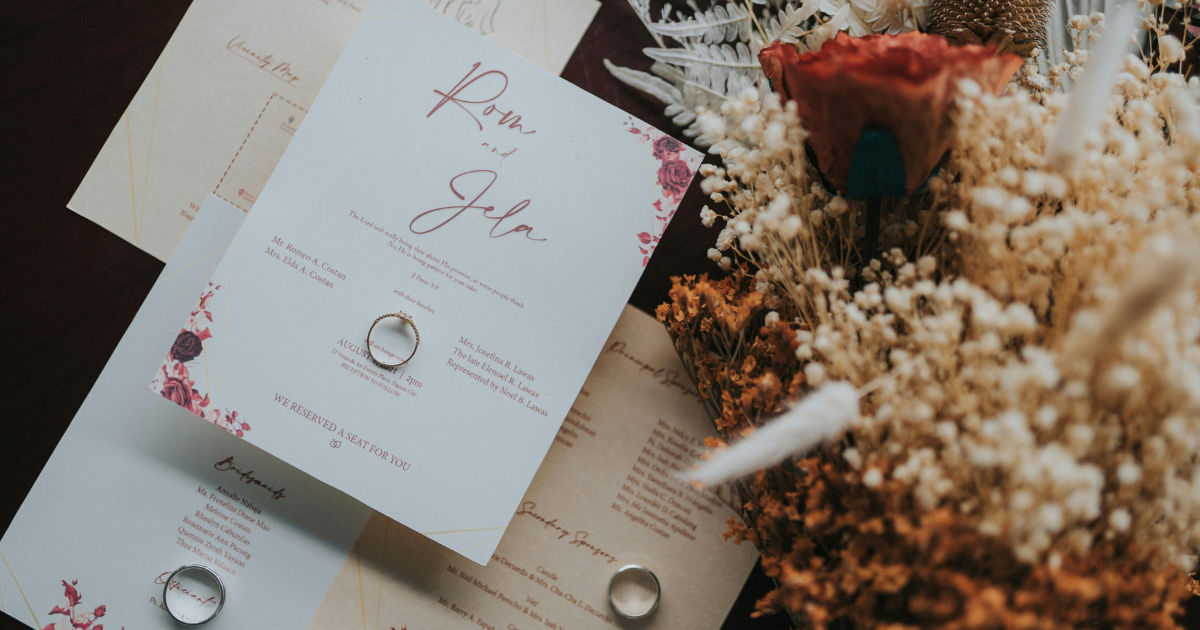
One key example is the nikah nama design, which is not just a certificate but a symbol of commitment and faith in
Islam. In this guide, we will explore what an Islamic certificate should include, the different types, and the best practices for designing and issuing them.
Understanding Islamic Certificates
An Islamic certificate is a formal document that validates an event, achievement, or status according to Islamic law and customs. These certificates serve multiple purposes, such as:
-
Legal recognition – Some certificates, like the nikah nama, are legally binding.
-
Religious significance – Certificates confirm religious obligations or milestones.
-
Record-keeping – They help families and institutions maintain proper documentation.
Islamic certificates are widely used for events such as marriages, Qur’an memorization, religious courses, and other milestones. They carry both spiritual and legal weight, depending on their nature.
Key Types of Islamic Certificates
There are several types of Islamic certificates that individuals or institutions may need. Each has unique elements and serves a specific purpose.
1. Marriage Certificates (Nikah Nama)
The nikah nama design is one of the most commonly recognized Islamic certificates. It documents the marriage between a Muslim man and woman according to Shariah law.
Essential elements to include in a nikah nama:
-
Full names of the bride and groom
-
Date of the marriage
-
Place of the marriage
-
Names and signatures of witnesses
-
Details of the mahr (dowry)
-
Name and signature of the officiating imam or Qazi
Marriage certificates are legally important in many countries, so accuracy and proper formatting are essential.
2. Qur’an Memorization Certificates
These certificates honor individuals who have completed memorizing the Qur’an, also known as Hifz.
Key inclusions:
-
Name of the student
-
Name of the institution or teacher
-
Completion date
-
Number of juz’ or sections memorized
-
Signature of the instructor or head of the institution
Certificates for Qur’an memorization are highly valued in the Muslim community. They often use decorative Arabic calligraphy to reflect religious significance.
3. Religious Education Certificates
Islamic schools, madrasas, and institutions issue certificates for completing courses in Islamic studies, such as Tafsir, Hadith, or Fiqh.
Important details:
-
Student’s full name
-
Name of the course or program
-
Duration of the program
-
Date of completion
-
Signatures of teachers or headmasters
Certificates for education can be formal or decorative, depending on whether they are for official recognition or ceremonial purposes.
4. Certificates for Special Religious Achievements
These certificates can be for activities such as attending Hajj, completing specific religious duties, or volunteering in community religious programs.
Typical inclusions:
-
Name of the participant
-
Details of the achievement
-
Date of completion
-
Signatures from authorized religious figures
These certificates help preserve personal milestones and motivate others in the community to pursue religious growth.
What to Include in Any Islamic Certificate
While the type of certificate may vary, certain universal elements make an Islamic certificate complete and authentic.
1. Title of the Certificate
Every certificate must have a clear title at the top, such as "Certificate of Completion," "Nikah Nama," or "Qur’an Memorization Certificate." The title sets the purpose immediately.
2. Recipient’s Full Name
The full name of the individual receiving the certificate is critical. It ensures the document is personalized and legally or religiously valid.
3. Description of Achievement or Event
Provide a short paragraph explaining what the certificate represents. For example, a nikah nama should state the marriage solemnization, while a Qur’an certificate should describe memorization or learning achievement.
4. Date and Place
Always include the date and location of the event or completion. For marriage certificates, this is legally significant, while for educational certificates, it records the milestone accurately.
5. Signatures and Stamps
Most Islamic certificates require the signatures of authorized figures:
-
Imams or Qazis for marriage certificates
-
Teachers or administrators for educational certificates
-
Community leaders for special religious certificates
Official stamps or seals often accompany signatures for authenticity.
6. Decorative Elements
While the content is crucial, Islamic certificates often include decorative elements:
-
Arabic calligraphy for headings
-
Geometric patterns or floral motifs
-
Borders that match the theme of the certificate
For example, a nikah nama design often incorporates elegant borders and calligraphy to reflect the sacredness of the marriage.
Where to Issue Islamic Certificates
Knowing where to issue an Islamic certificate depends on the type of certificate and its intended purpose.
1. Marriage Certificates
Nikah certificates must be issued by a recognized authority, such as a mosque, Qazi, or registered marriage office. In some countries, government registration is also necessary for legal recognition.
2. Educational Certificates
Madrasas, Islamic schools, or certified religious institutions issue these certificates. Some institutions also provide official documentation that can be used for further studies or job applications.
3. Religious Achievement Certificates
These are typically issued by community mosques, Islamic centers, or recognized charitable organizations. They may not have legal significance but hold social and spiritual value.
4. Digital Certificates
With modern technology, some Islamic certificates are now issued digitally. Digital certificates can be shared securely via email or downloadable PDFs, maintaining authenticity with digital signatures and QR codes.
How to Design an Islamic Certificate
Designing an Islamic certificate requires balancing elegance, readability, and cultural relevance.
1. Choose the Right Layout
-
Use a clean and organized layout with separate sections for the recipient’s name, achievement, and signatures.
-
Ensure margins are sufficient to accommodate stamps and signatures.
2. Use Appropriate Fonts
-
Arabic calligraphy is ideal for titles and religious phrases.
-
Simple, readable fonts are best for the main content.
3. Include Religious Elements
-
Use subtle Islamic motifs like crescents, geometric patterns, or arabesques.
-
Avoid images or designs that contradict Islamic principles.
4. Highlight Important Details
-
Bold the recipient’s name or the date for emphasis.
-
Clearly separate the description of the achievement from the signatures section.
5. Quality Printing
-
High-quality paper enhances the certificate’s prestige.
-
Consider embossed stamps or foil accents for formal certificates, especially for a nikah nama design.
Common Mistakes to Avoid
Even experienced institutions make mistakes when creating Islamic certificates. Here are some to avoid:
-
Incomplete information – Missing dates, names, or witness signatures can make the certificate invalid.
-
Poor readability – Overly decorative fonts can make text hard to read.
-
Incorrect titles – Using the wrong title can misrepresent the certificate.
-
Lack of authentication – Missing signatures or stamps reduces credibility.
Legal Considerations
Some Islamic certificates, particularly marriage certificates, have legal implications.
-
Always ensure the issuing authority is recognized by the government or local religious bodies.
-
Keep multiple copies for personal, legal, and religious purposes.
-
For international recognition, some certificates may require notarization or translation.
Storing and Preserving Certificates
Islamic certificates are often lifelong records, so proper storage is essential:
-
Use protective folders or plastic sleeves to prevent damage.
-
Store in a cool, dry place to avoid moisture damage.
-
Keep digital copies as backups.
Modern Trends in Islamic Certificate Design
Islamic certificates are evolving with modern design trends while respecting tradition:
-
Digital Certificates – Secure, shareable, and easily stored online.
-
Customizable Templates – Institutions now provide templates for nikah nama design, Qur’an certificates, and educational certificates.
-
Eco-Friendly Printing – Some centers now use recycled paper or eco-friendly ink for sustainability.
Example: Nikah Nama Design Trends
Modern nikah nama designs often include:
-
Minimalist geometric borders
-
Elegant Arabic calligraphy for headings
-
Soft pastel backgrounds
-
Space for digital QR codes to verify authenticity
These trends maintain the sacredness while embracing modern aesthetics.
Conclusion
Islamic certificates serve a critical role in documenting religious, social, and educational milestones. Whether it is a nikah nama design, Qur’an memorization certificate, or an Islamic education certificate, including all the essential details ensures authenticity, religious adherence, and legal recognition.
Key takeaways include:
-
Include complete information: recipient name, date, place, description, signatures.
-
Use proper design elements: calligraphy, borders, and Islamic motifs.
-
Ensure certificates are issued by recognized authorities.
-
Preserve both physical and digital copies for longevity.
By following these guidelines, you can create Islamic certificates that are not only authentic and legally valid but also aesthetically beautiful and spiritually meaningful. A well-designed certificate becomes a cherished document that individuals and families can preserve for generations.
Islamic certificates, especially marriage certificates with thoughtful nikah nama design, reflect both tradition and respect for faith while meeting modern requirements for clarity, design, and authenticity.