
An Introduction to a Sparkling Future
Are traditional jewelry crafting techniques holding back innovation? Jewelry casting, an age-old practice, now faces the challenge of integrating advanced technology. With the growing demand for precision, speed, and customization, one must question: How will the industry transform? Jewelry casting services play a pivotal role in this evolution, often acting as the bridge between classic artisanship and modern efficiency. But what does the future hold for this intricate craft?

In the coming sections, we’ll explore the limitations of traditional methods, reveal hidden pain points among users, and forecast the bright future of jewelry casting.
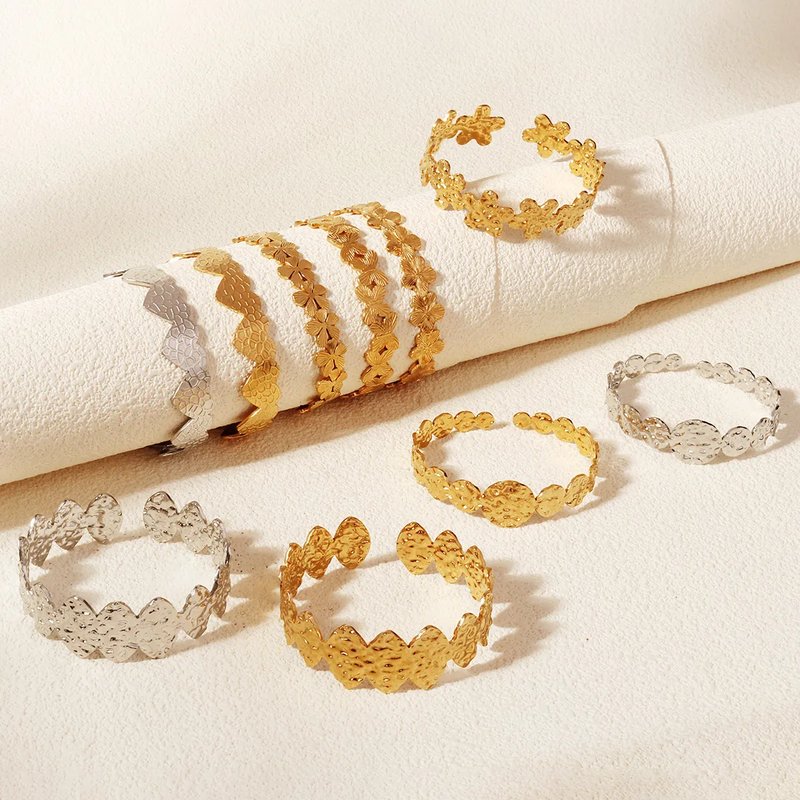
Unearthing the Limitations of Traditional Casting Methods
Traditional casting has served us for centuries, but it’s not without flaws. Many practitioners rely heavily on methods that are time-consuming and less precise than modern alternatives. Look, it’s simpler than you think. Processes like investment casting, though popular, lack the rapid adaptability needed in today’s fast-paced market. Jewelry casting services often find themselves navigating a landscape where precision investment—like edge computing nodes—showcases the growing gap between old and new.
Are Hidden User Pain Points Holding Us Back?
Users demand more than what traditional methods offer: speed, accuracy, and a higher degree of customization. They encounter issues such as inefficient power converters or fragmented processing. These pain points create bottlenecks—especially when scaling production. Many users need solutions that allow flexibility without sacrificing quality or affordability.
Embracing New Technology Principles: A Glimpse into the Future
As the jewelry industry evolves, new technology principles offer a promising solution—3D printing, smart automation, and advanced molding techniques. Imagine jewelry casting services utilizing cutting-edge tools to create intricate designs previously deemed impossible. What’s next for manufacturers? With technology blurring the lines between possibility and reality, we see a future where manufacturers use intelligent systems to transform jewelry design and production.
The adoption of these principles forecasts a new era of creativity and precision. Jewelry casting services become even more vital as they adapt to these technologies, ensuring a seamless transition from traditional to modern methodologies. New case examples highlight how technology reshapes industry dynamics, offering consumers innovative outputs.
In conclusion, embracing technological advancements while learning from past practices offers an optimal path forward. What have we learned? That integrating old wisdom with new tools brings unparalleled benefits. Key metrics for evaluating new solutions include flexibility, precision, and scalability. As the jewelry industry gears up for exciting developments, Star Harvest remains a beacon of innovation and quality craftsmanship.