
Glass panels are increasingly popular in modern architecture and interior design. From sleek office partitions to elegant stair railings, glass adds transparency, light, and style to any space. However, supporting glass safely and effectively requires specialized hardware.
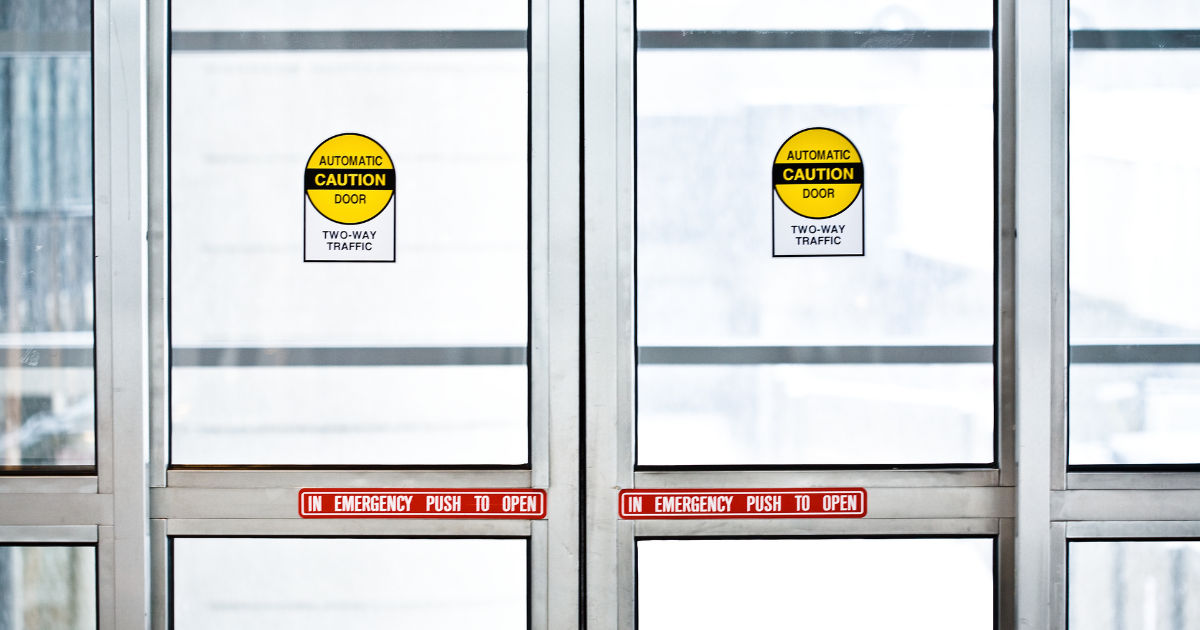
This is where standoffs and brackets come into play. These components are essential for holding glass panels securely while maintaining their aesthetic appeal.
In this guide, we will explore the different types of standoffs and brackets, their applications, installation tips, and maintenance, helping you understand how to achieve both safety and elegance in your glass installations with akbari glass.
Glass Panel Support Systems
Glass panels are delicate yet durable when handled correctly. However, without proper support, they can crack, chip, or even shatter. Standoffs and brackets are designed to distribute weight evenly and secure the glass without compromising its transparency or design.
Glass support systems generally fall into two main categories:
-
Point-supported systems: These use discrete hardware points, such as standoffs, to hold the glass at specific locations.
-
Continuous support systems: These involve brackets, channels, or rails that provide support along the edges of the glass.
Choosing between point support and continuous support depends on the design, panel size, and load requirements.
What Are Standoffs?
Standoffs are small cylindrical or rectangular hardware components that hold glass panels at a set distance from a wall or structure. They are typically made of stainless steel, aluminum, or brass, and are designed to create a floating effect for glass panels. Standoffs are versatile and can be used for signage, glass railings, or decorative walls.
Types of Standoffs
-
Through-glass standoffs: These allow bolts to pass through the glass itself, securing the panel in place. They are ideal for thicker glass panels and heavy installations.
-
Side-mounted standoffs: These attach to the side of the glass and are often used where drilling through glass is not desirable.
-
Threaded standoffs: These feature a screw-thread design, making installation straightforward and secure.
-
Decorative standoffs: These combine functionality with aesthetics, often featuring polished or brushed finishes to enhance the look of glass panels.
Benefits of Standoffs
-
Aesthetic appeal: Standoffs create a modern, floating effect.
-
Durability: Made of high-quality metals resistant to corrosion and wear.
-
Flexibility: Suitable for various glass thicknesses and panel sizes.
-
Easy maintenance: They can be easily cleaned without compromising safety.
What Are Brackets?
Brackets are hardware components designed to hold glass panels along their edges or corners. Unlike standoffs, which support panels at discrete points, brackets often provide continuous support and stability.
Types of Brackets
-
L-shaped brackets: Ideal for corner installations or supporting glass shelves.
-
U-shaped brackets: Provide edge support and are commonly used for glass railings and partitions.
-
Adjustable brackets: Allow for slight movements to align glass panels during installation.
-
Heavy-duty brackets: Designed for large or thick glass panels requiring extra strength.
Benefits of Brackets
-
Strong support: Brackets distribute weight evenly along the glass edge.
-
Versatile installation: Can be mounted on walls, floors, or posts.
-
Protective design: Many brackets include rubber or plastic inserts to prevent glass chipping.
-
Aesthetic integration: Brackets can be minimalistic or decorative to complement glass design.
Choosing the Right Standoffs and Brackets
Selecting the correct standoffs and brackets depends on several factors:
-
Glass thickness: Thicker panels require stiffer and larger hardware.
-
Weight and size of the panel: Heavy or large panels need stronger standoffs and brackets.
-
Type of installation: Indoor, outdoor, or structural installations have different hardware requirements.
-
Design preferences: Consider whether the hardware should be visible or hidden.
Always consult manufacturer guidelines and local building codes to ensure safety and compliance.
Applications of Standoffs and Brackets
Standoffs and brackets are used in a variety of applications:
1. Glass Railings
Glass railings on balconies, staircases, and decks require sturdy support. Standoffs are often used for side-mounted or point-supported designs, while brackets provide continuous edge support for panels along posts.
2. Glass Partitions
Office partitions and room dividers use both standoffs and brackets. Standoffs create floating panels for a sleek, modern look, while brackets provide stability in high-traffic areas.
3. Glass Shelving
For glass shelves, L-shaped or U-shaped brackets hold the panels securely, distributing weight evenly and preventing sagging.
4. Signage and Display Panels
In commercial spaces, standoffs are commonly used to mount glass signage and display panels to walls. They allow a clean, professional presentation while keeping the glass safe.
5. Exterior Facades
Architectural glass facades rely on heavy-duty brackets and standoffs to support large panels against wind and weather loads. Corrosion-resistant materials like stainless steel are crucial in these installations.
Installation Tips for Standoffs and Brackets
Proper installation ensures safety and longevity. Here are essential tips:
1. Measure Accurately
Measure panel dimensions, wall thickness, and standoff placement carefully. Even slight misalignment can compromise stability.
2. Use Proper Tools
Drills, screwdrivers, levelers, and measuring tools are necessary. For through-glass standoffs, specialized glass drills may be required.
3. Select Appropriate Anchors
When mounting to walls, floors, or posts, use anchors suitable for the material, such as concrete, wood, or metal.
4. Avoid Over-Tightening
Tightening standoffs or brackets too much can stress or crack glass panels. Always follow manufacturer torque specifications.
5. Protect Glass Edges
Many brackets come with rubber or silicone inserts. Ensure these are correctly positioned to prevent glass chipping.
6. Check Alignment
Use a level to ensure panels are straight and evenly spaced. Misaligned panels can affect both aesthetics and safety.
Maintenance of Standoffs and Brackets
Proper maintenance extends the life of your glass installations:
-
Regular cleaning: Use mild soap and water. Avoid harsh chemicals that can damage metal finishes.
-
Inspect hardware: Check for loose screws, corrosion, or damage periodically.
-
Lubricate moving parts: If using adjustable brackets, keep moving parts lubricated to prevent stiffness.
-
Replace damaged components: Never compromise safety by ignoring damaged standoffs or brackets.
Common Mistakes to Avoid
-
Using undersized hardware: Can result in instability and potential accidents.
-
Ignoring glass thickness: Hardware must match the panel thickness for secure support.
-
Overlooking environmental factors: Outdoor installations require corrosion-resistant materials.
-
Incorrect spacing: Standoffs must be evenly spaced to distribute weight properly.
-
Skipping protective inserts: Rubber or silicone pads prevent direct metal-to-glass contact and reduce damage risk.
Advantages of Standoffs and Brackets in Glass Installations
Using standoffs and brackets offers multiple advantages:
-
Enhanced safety: Prevents glass panels from tipping or falling.
-
Modern aesthetics: Supports sleek designs with minimal visible hardware.
-
Flexibility in design: Allows floating panels, partitions, and creative installations.
-
Durability: High-quality metals resist corrosion, weathering, and wear.
-
Ease of maintenance: Simple cleaning and inspection routines keep installations safe.
Conclusion
Glass panels bring elegance, light, and openness to spaces, but their support is critical. Standoffs and brackets provide the perfect combination of strength and style, ensuring panels remain secure while maintaining their aesthetic appeal. By understanding the types of standoffs and brackets, their applications, proper installation, and maintenance, you can create safe, modern, and visually appealing glass installations. Whether for railings, partitions, shelves, or signage, choosing the right support hardware ensures durability, safety, and elegance in every project.
Using the correct standoffs and brackets not only enhances the look of your glass installations but also ensures long-term performance. Always prioritize safety, follow manufacturer recommendations, and consider design aesthetics to make your glass projects both functional and beautiful.