
Packaging plays a critical role in protecting products from damage, contamination, and spoilage. One of the biggest hidden threats to packaged goods is moisture.
Excess moisture can ruin food, damage electronics, cause mold growth, and weaken materials during storage and transportation. This is where calcium chloride desiccants become extremely important.
In modern packaging systems, calcium chloride desiccants are widely used to control humidity and keep products safe from moisture-related problems. These moisture-absorbing materials are trusted across industries because they are powerful, reliable, and cost-effective. This comprehensive guide explains why calcium chloride is used in packaging, how it works, where it is used, and why it is often preferred over other moisture-control solutions.
Moisture Problems in Packaging
Moisture may seem harmless, but in packaging it can create serious issues. Products often travel long distances and pass through different climates. Changes in temperature can cause condensation inside sealed packages, a phenomenon known as “container rain.”
Even a small amount of moisture can cause major damage. Cardboard boxes can weaken, labels can peel off, metal parts can rust, and food products can spoil faster. This is why moisture control is a key part of modern packaging design.
To address these risks, packaging engineers rely on desiccants. Among all options, calcium chloride desiccants stand out because of their high moisture absorption capacity.
What Is Calcium Chloride?
Calcium chloride is a white, salt-like chemical compound made from calcium and chlorine. It is highly hygroscopic, which means it naturally attracts and absorbs moisture from the air. This property makes it extremely useful in many industries, especially packaging.
Unlike some desiccants that only absorb a limited amount of moisture, calcium chloride can absorb several times its own weight in water. This makes calcium chloride desiccants especially effective in high-humidity environments.
What Are Desiccants in Packaging?
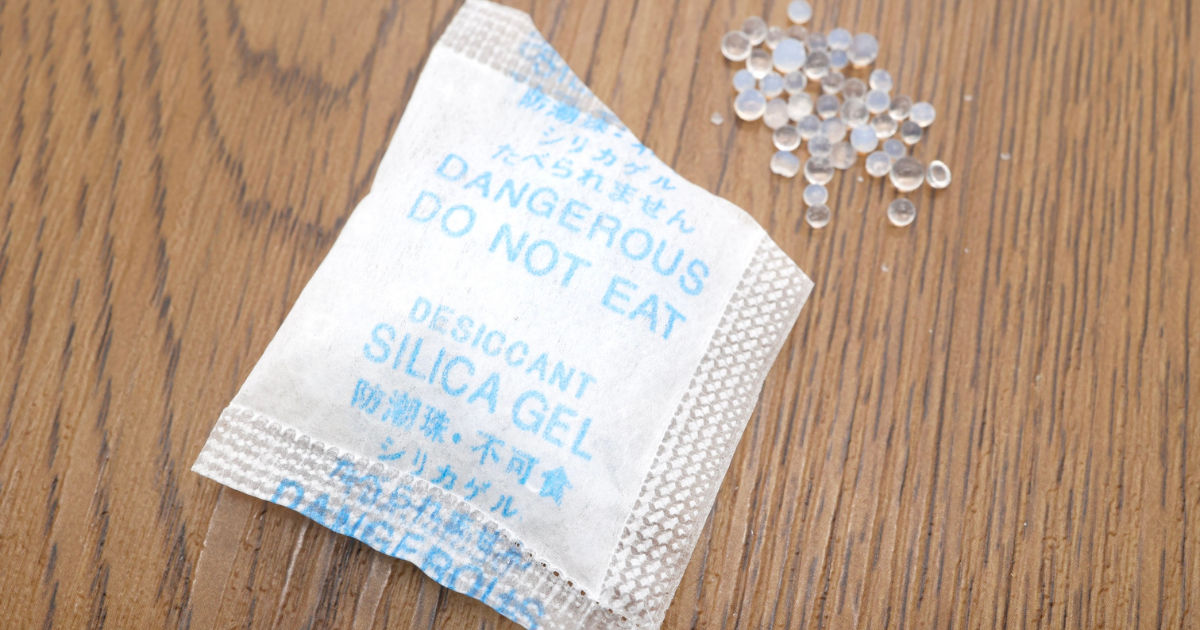
Desiccants are substances placed inside packaging to absorb moisture and maintain a dry environment. They are commonly found in small packets inside boxes, containers, and shipping cartons.
While silica gel is one of the most well-known desiccants, calcium chloride desiccants are increasingly used for heavy-duty moisture control. They are especially useful for large packages, shipping containers, and bulk goods where moisture levels can be high.
How Calcium Chloride Desiccants Work
Moisture Absorption Process
Calcium chloride desiccants work by pulling moisture from the surrounding air. When calcium chloride comes into contact with humidity, it dissolves and forms a brine solution. This process continues until the material reaches its maximum absorption capacity.
This ability to turn absorbed moisture into liquid allows calcium chloride to trap water securely. As a result, the moisture does not return to the air, keeping the package interior dry for longer periods.
High Absorption Capacity
One of the main reasons calcium chloride is used in packaging is its exceptional absorption strength. Calcium chloride desiccants can absorb up to three times their own weight in water. This makes them ideal for long shipping journeys and storage in humid climates.
Why Calcium Chloride Is Preferred in Packaging
Superior Moisture Control
Compared to other desiccants, calcium chloride desiccants provide stronger and longer-lasting moisture protection. They are effective even in extremely humid conditions where silica gel may fail.
This makes them suitable for international shipping, especially across oceans where humidity levels are high.
Cost-Effective Solution
Packaging solutions must balance performance and cost. Calcium chloride desiccants are relatively inexpensive and offer excellent value for money. Because they absorb more moisture per unit, fewer packets are needed to achieve the same level of protection.
This reduces overall packaging costs without compromising product safety.
Reliable Performance in Harsh Conditions
Some desiccants lose effectiveness at higher temperatures. Calcium chloride desiccants, however, continue to work efficiently across a wide range of temperatures. This makes them reliable during seasonal changes and extreme weather conditions.
Common Uses of Calcium Chloride in Packaging
Food Packaging
Moisture control is critical in food packaging. Excess humidity can cause mold growth, spoilage, and texture changes. Calcium chloride desiccants help maintain dryness inside food containers, especially for dry foods, powdered products, and bulk shipments.
They are commonly used in secondary packaging, such as shipping cartons, rather than directly touching food.
Pharmaceutical Packaging
Medicines are highly sensitive to moisture. Tablets can break down, capsules can soften, and powders can clump when exposed to humidity. Calcium chloride desiccants help protect pharmaceutical products during storage and transportation.
Their strong moisture absorption ensures product stability and extends shelf life.
Electronics Packaging
Electronic components are extremely vulnerable to moisture. Condensation can cause corrosion, short circuits, and permanent damage. Calcium chloride desiccants are often placed inside electronic packaging to keep components dry and safe.
They are especially useful for large electronic equipment shipped overseas.
Industrial and Machinery Packaging
Heavy machinery and metal parts can rust when exposed to moisture. Calcium chloride desiccants are widely used in industrial packaging to prevent corrosion during long-term storage and transit.
They help protect valuable equipment and reduce maintenance costs.
Role in Container Shipping
Preventing Container Rain
Container rain occurs when warm, moist air inside a shipping container condenses as temperatures drop. Water droplets then fall onto the cargo, causing damage.
Calcium chloride desiccants are highly effective at preventing this problem. They absorb moisture before condensation can form, keeping goods dry throughout the journey.
Long-Distance Transportation
International shipping often takes weeks or months. During this time, products face changing climates and humidity levels. Calcium chloride desiccants provide long-lasting protection, making them ideal for long-distance transportation.
Comparison With Other Desiccants
Calcium Chloride vs Silica Gel
Silica gel absorbs moisture through physical adsorption, while calcium chloride absorbs moisture chemically. Calcium chloride desiccants generally offer higher absorption capacity than silica gel.
Silica gel is better suited for small, sealed packages, while calcium chloride is preferred for large-scale packaging and shipping containers.
Calcium Chloride vs Clay Desiccants
Clay desiccants are natural and inexpensive, but they have limited moisture absorption. Calcium chloride desiccants outperform clay in high-humidity environments and provide more reliable protection.
Safety Considerations in Packaging
Proper Containment
Because calcium chloride turns into liquid as it absorbs moisture, calcium chloride desiccants are carefully packaged in leak-proof materials. This prevents the liquid brine from escaping and damaging products.
Modern packaging designs ensure safety and cleanliness.
Handling and Disposal
While calcium chloride is generally safe to handle, it should not come into direct contact with skin or eyes for long periods. Used calcium chloride desiccants should be disposed of according to local waste regulations.
Environmental Impact
Reduced Product Waste
By preventing moisture damage, calcium chloride desiccants help reduce product loss and waste. This contributes to sustainability by lowering the need for replacements and reducing resource consumption.
Efficient Use of Materials
Because calcium chloride absorbs large amounts of moisture, fewer desiccant packets are required. This reduces packaging material usage and supports more efficient logistics.
Innovations in Calcium Chloride Packaging Solutions
Advanced Desiccant Designs
Modern calcium chloride desiccants come in advanced designs that maximize surface area and absorption efficiency. Some include hanging strips or container liners for large shipments.
These innovations improve performance while maintaining safety.
Smart Packaging Integration
Some packaging systems now combine calcium chloride desiccants with humidity indicators. This allows users to monitor moisture levels and ensure optimal protection.
Choosing the Right Desiccant for Packaging
Understanding Moisture Risk
Selecting the right desiccant depends on the level of moisture risk. High-humidity environments and long shipping routes benefit most from calcium chloride desiccants.
Understanding the product’s sensitivity helps determine the correct solution.
Package Size and Duration
Large packages and long storage periods require strong moisture control. Calcium chloride desiccants are ideal in these situations due to their high capacity and durability.
Benefits for Manufacturers and Consumers
Improved Product Quality
By maintaining a dry environment, calcium chloride desiccants help preserve product quality. This leads to higher customer satisfaction and fewer returns.
Enhanced Brand Reputation
Products that arrive in perfect condition reflect positively on the brand. Using reliable solutions like calcium chloride desiccants helps companies build trust with customers.
Regulatory Compliance
Many industries have strict guidelines for packaging and moisture control. Calcium chloride desiccants help companies meet these standards by providing consistent and effective humidity management.
This is especially important in pharmaceuticals, food, and electronics sectors.
Future of Calcium Chloride in Packaging
As global trade continues to grow, the demand for effective moisture control will increase. Calcium chloride desiccants are expected to remain a key solution due to their proven performance and adaptability.
Ongoing research aims to improve sustainability and efficiency, making these desiccants even more valuable in future packaging systems.
Conclusion
Moisture is one of the most damaging factors in packaging, affecting everything from food and medicine to electronics and industrial equipment. To combat this challenge, calcium chloride desiccants offer a powerful and reliable solution. Their ability to absorb large amounts of moisture, perform well in harsh conditions, and protect products over long distances makes them an essential component of modern packaging.
By using calcium chloride desiccants, manufacturers can reduce product damage, extend shelf life, and improve customer satisfaction. These desiccants not only protect goods but also support cost efficiency and sustainability in packaging operations. As packaging technology continues to evolve, calcium chloride will remain a trusted choice for effective moisture control across industries.