

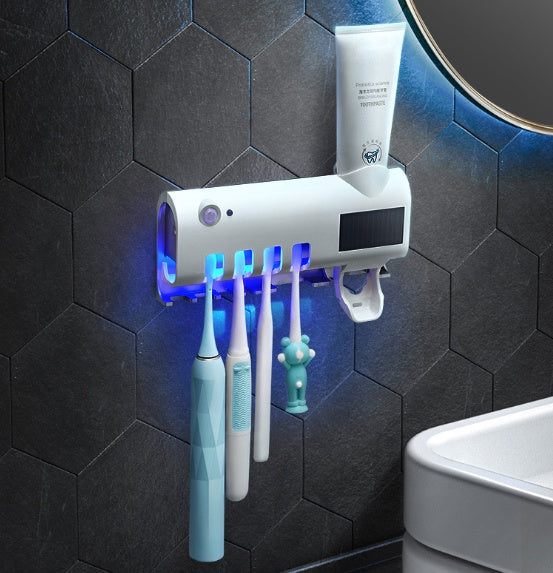
Maintaining good oral hygienics is necessity for overall health, and choosing the right oral health guide plays a Major role in preventing cavities, gum disease, bad intimation, and other alveolar consonant problems. A complete daily oral care subroutine typically includes four key products: toothpaste, toothbrushes, mouthwash, and dental consonant dental floss. Each of these products serves a specific purpose, and when used correctly together, they ply comp tribute for dentition and gums. Understanding how each product works and what to look for when selecting them can help you establish a more effective and personalized oral care procedure.
Toothpaste is the instauratio of any dental consonant hygiene procedure because it helps strip the teeth, transfer plaque, and protect . Most modern font toothpaste contains fluoride, a stuff that strengthens tooth and helps prevent cavities by qualification dentition more resistant to acid attacks from bacterium and food. There are different types of toothpaste designed for specific needs, such as whitening toothpaste for removing come up stains, sensitiveness toothpaste for reduction discomfort in spiritualist dentition, and herbal tea or natural toothpaste for those who prefer chemical substance-free options. When choosing toothpaste, it is portentous to look for one authorised by dental associations and suited for your particular oral condition. Regular brush with the right toothpaste twice a day importantly reduces the risk of tooth disintegrate and gum .
Toothbrushes are equally of import because they physically transfer food particles and memorial tablet from teeth and gums. There are two main types of toothbrushes: manual of arms and electric automobile. Manual toothbrushes are widely available, cheap, and operational when used with specific technique. Electric toothbrushes, on the other hand, provide automated brushing motions that can remove more brass with less sweat, making them especially useful for people with limited mobility or those who struggle with consistent brushing habits. Dentists in general advocate using a soft-bristled toothbrush because hard bristles can and get to gums. The size of the toothbrush head should also be appropriate for easy access to all areas of the utter, including hard-to-reach back dentition. It is recommended to supersede a soup-strainer every three to four months or Oklahoman if the bristles become worn.
Mouthwash is another worthful plus to a daily oral care function, as it helps tighten bacterium, freshens breath, and reaches areas that brushing and flossing might miss. There are two main types of mouthwash: cosmetic and therapeutic. Cosmetic mouthwashes in the first place focus on temporarily reducing bad hint, while curative mouthwashes contain active ingredients such as fluoride, chlorhexidine, or necessary oils that help reduce plaque, gingivitis, and tooth decompose. Alcohol-free mouthwash is often advisable for people with sensitive mouths or dry speak up conditions because it is gentler and less uncomfortable. Mouthwash should be used after brush and flossing for level bes strength, but it should not supplant these requirement steps.
Dental floss is often overlooked, but it is one of the most significant tools for maintaining sound gums and preventing cavities between teeth. A soup-strainer cannot effectively clean the fast spaces between dentition, which is where memorial tablet and food particles tend to accumulate. Flossing removes this detritus and helps keep gum redness, bleeding, and periodontic . There are different types of dental floss available, including waxed dental floss, unwaxed dental floss, alveolar tape, and floss picks. Waxed dental floss is easier to slither between fast teeth, while dental floss picks volunteer convenience for quickly use, especially when traveling. Water flossers are also becoming nonclassical as an choice, using a well out of irrigate to strip between teeth and along the gumline. Dentists advocate flossing at least once a day for best oral wellness.
When all these DENTAL CARE PRODUCTS are used together properly, they create a warm defence against oral health problems. Toothpaste strengthens and cleans dentition, toothbrushes transfer plaque and rubble, mouthwash reduces bacteria and freshens breath, and floss cleans the spaces that brush cannot strive. Consistency is key, as even the best products will not be effective without regular use. Developing a daily subprogram that includes brushing twice a day, flossing once a day, and using gargle appropriately can importantly ameliorate long-term alveolar health and tighten the need for dearly-won alveolar consonant treatments.
Choosing high-quality DENTAL CARE PRODUCTS trim to your specific needs can make a noticeable remainder in oral hygiene. Consulting a dentist can help identify the most appropriate toothpaste, toothbrush type, or mouthwash supported on soul conditions such as sensitiveness, gum wellness, or orthodontic appliances. With proper knowledge and disciplined care, maintaining a healthy, strip, and surefooted grin becomes much easier and more operational.
