

Skin treatments are changing as researchers explore new ways to improve skin texture, support healing, and address visible signs of aging. One treatment attracting attention is exosome therapy, which is often discussed in connection with skin rejuvenation, acne scars, fine lines, and uneven skin tone. However, popularity does not automatically mean that a treatment has been scientifically proven to work. 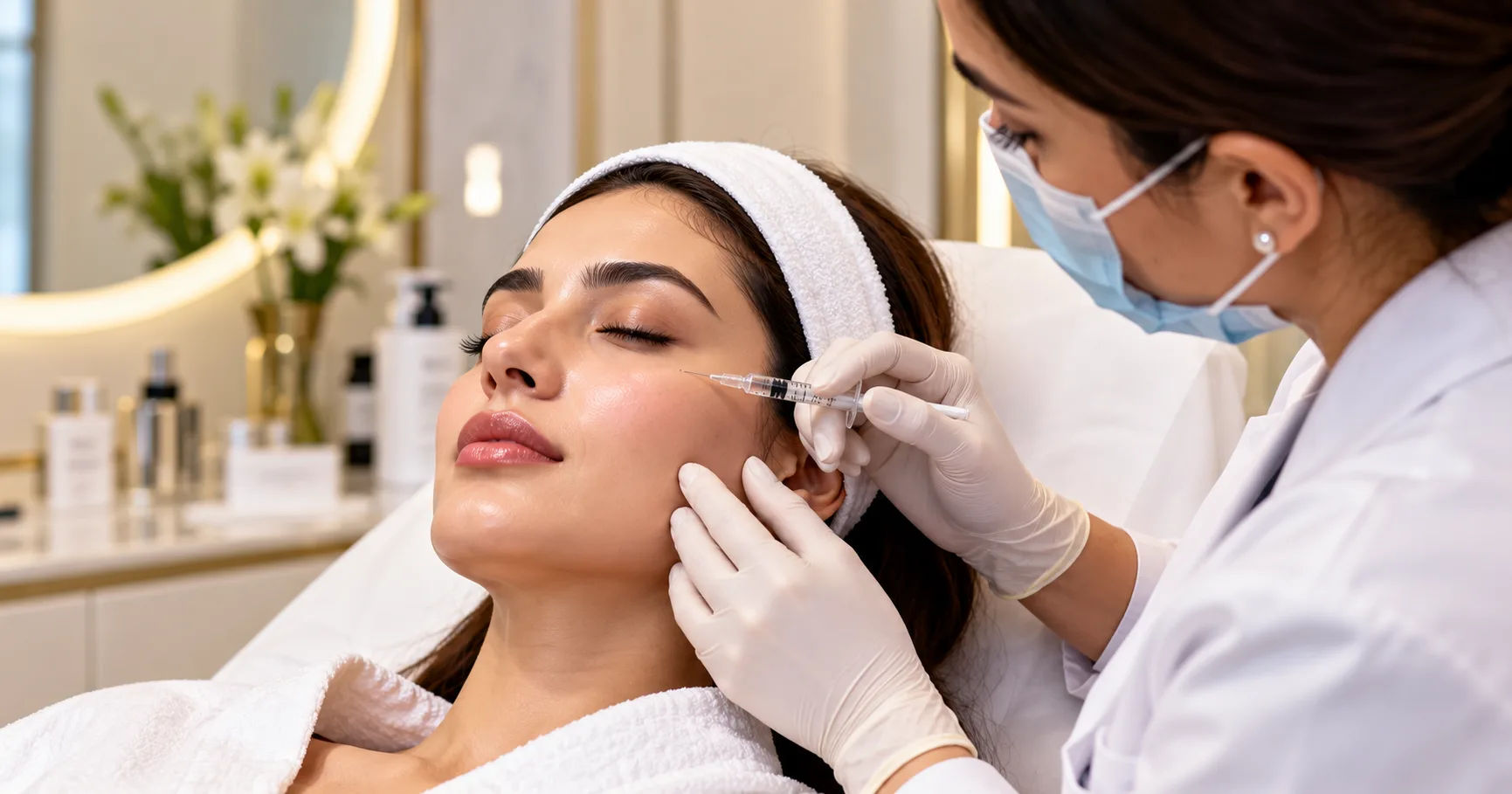 For anyone considering exosome treatment for skin in Karachi, the most important question is whether clinical research supports its benefits and whether the procedure is safe. Although early studies suggest that exosomes may have potential in skin repair and rejuvenation, the strength of the evidence varies. Some findings are encouraging, but many studies are small, use different treatment methods, or do not provide enough long-term information to establish reliable results.
Understanding the science behind exosomes can help you distinguish realistic expectations from marketing claims. It can also help you choose a qualified dermatologist, ask appropriate questions, and compare exosome-based procedures with established treatments for common skin concerns.
What Are Exosomes, and How Do They Work?
Exosomes are tiny, membrane-covered particles released by cells. They are part of a broader group called extracellular vesicles, which help cells communicate with one another. These particles can carry proteins, lipids, and genetic material that may influence how other cells behave.
In skin research, scientists are studying whether these signals can support tissue repair, regulate inflammation, and influence processes involved in maintaining healthy skin.
How Exosomes May Support Skin Health
Healthy skin depends on several important processes, including collagen production, cell renewal, moisture retention, and repair after minor injuries. Collagen is a structural protein that helps skin remain firm, while elastin contributes to its flexibility.
Researchers are investigating whether exosome-based products can influence these processes. Depending on their source and composition, they may affect cellular communication and signals involved in tissue repair.
However, the results depend on the specific product, its preparation, and how it is delivered. Not every product marketed as an exosome treatment has the same composition or biological activity.
Are Exosomes the Same as Stem Cells?
No. Stem cells are living cells that can develop into particular cell types under suitable conditions. Exosomes are small particles released by cells and are not themselves living stem cells.
Some cosmetic products contain extracellular vesicles derived from stem cell cultures. Others may come from different biological sources. The source alone does not establish that a product is effective, safe, or suitable for cosmetic treatment.
This distinction matters because advertisements sometimes use terms such as regenerative therapy, stem cell treatment, and exosome therapy as though they mean the same thing.
Is Exosome Treatment Scientifically Proven?
The short answer is that exosome therapy for skin has promising early research, but it is not yet conclusively proven as a reliable cosmetic treatment for everyone.
A systematic review published in 2026 examined 16 studies involving 503 participants. Many studies reported improvements in at least one aspect of facial skin quality, such as wrinkles, hydration, pigmentation, or elasticity. However, the review found that the quality of evidence was generally low or very low because of study limitations, inconsistent methods, and limited follow-up.
Another systematic review of human studies found encouraging short-term results for skin hydration, texture, elasticity, pores, and wrinkles. Nevertheless, most included studies were not randomized, making it difficult to determine how much improvement was caused by exosomes themselves.
What Does the Research Actually Tell Us?
Current evidence suggests three important points.
First, exosomes have a plausible biological role in cell communication and tissue repair. Laboratory research provides reasons to investigate their potential applications in dermatology.
Second, some small human studies report improvements in skin appearance when exosome products are used alone or alongside procedures such as microneedling or fractional laser treatment.
Third, researchers still need larger, well-designed clinical trials to establish which products work best, which patients benefit, what treatment schedule is appropriate, and how long the results last.
These distinctions are important. A treatment can have a reasonable scientific explanation and encouraging early results without being established as standard care.
Why More Research Is Needed
Different studies use different sources of extracellular vesicles, preparation techniques, concentrations, and delivery methods. Some evaluate topical products, while others combine these products with procedures that independently affect skin quality.
This creates a problem: when the skin improves after a combined procedure, researchers may not be able to determine precisely how much improvement came from the exosomes.
Long-term safety is another concern. Short studies may identify temporary redness or swelling but cannot reliably detect every uncommon complication or establish whether benefits persist for years.
For these reasons, scientific promise should not be confused with definitive proof.
What Skin Concerns Might Exosome Treatment Address?
People considering exosome treatment for skin in Karachi may be interested in several cosmetic concerns. The level of evidence differs for each one, and no result is guaranteed.
Fine Lines and Early Signs of Aging
Fine lines can develop as collagen and elastin change with age and repeated sun exposure. Some early clinical studies suggest that exosome-based products may improve skin texture and the appearance of wrinkles.
However, the evidence does not establish that exosomes consistently reverse aging or produce results comparable to every established rejuvenation treatment.
People should also understand that superficial lines, deeper wrinkles, and volume loss are different concerns. One treatment may not address all three.
Acne Scars and Uneven Skin Texture
Acne scars can develop when inflammation damages the skin during healing. Their appearance varies according to scar type, depth, and the amount of underlying tissue affected.
Some studies have investigated exosome products used with microneedling or laser procedures for improving skin texture and acne scars. Early findings are encouraging, but the evidence remains limited and does not establish a universally effective treatment protocol.
A dermatologist should first identify whether the scars are shallow, deep, rolling, or associated with active acne. Different scar types may require different treatments.
Pigmentation and Uneven Skin Tone
Dark spots, sun damage, and post-acne marks can make skin tone appear uneven. Researchers are investigating whether exosome-based treatments influence inflammatory signals and processes associated with pigmentation.
Some studies report improvements, but this does not prove that exosomes can reliably treat melasma or every form of hyperpigmentation.
Melasma, in particular, can be persistent and may worsen with sunlight and heat. A proper diagnosis is essential before selecting a treatment.
Dryness, Hydration, and Skin Texture
Some research reports improvements in hydration and skin texture following exosome-based procedures. However, temporary changes in hydration do not necessarily indicate long-term skin repair.
Basic skincare remains important. Gentle cleansing, appropriate moisturization, and daily broad-spectrum sunscreen can support the skin barrier and help protect against further sun damage.
Exosome treatment should not be viewed as a replacement for these everyday measures.
How Is Exosome Treatment for Skin in Karachi Performed?
The procedure depends on the product being used and the clinic's treatment plan. There is no single standardized exosome protocol that applies to every skin concern.
Topical Application
Some providers apply an exosome-containing product to the skin. The degree to which its components penetrate the skin depends on the formulation, the condition of the skin barrier, and the application method.
Applying a product to intact skin is different from introducing it into the skin through an invasive procedure. The safety and effectiveness of one method cannot automatically be assumed for another.
Microneedling Combined With Exosomes
Microneedling uses fine needles to create controlled micro-injuries in the skin. It is intended to stimulate a wound-healing response and may be used for certain scars and texture concerns.
Some clinics apply exosome products during or after microneedling. When considering this approach, patients should ask whether the exact product is suitable for use with a procedure that disrupts the skin barrier.
A product intended only for topical cosmetic use should not automatically be considered safe for application into freshly needled skin.
Combination With Laser Procedures
Some studies investigate exosome products alongside fractional laser treatments. Laser procedures can create controlled skin injuries that stimulate healing and remodeling.
However, the addition of an exosome product makes the treatment more complex. It may be difficult to separate the effects of the laser from those of the product.
Patients should ask why the combination is being recommended, what evidence supports it, and whether the expected benefit justifies the additional cost and risk.
Injectable Treatments
Injection is a different and potentially higher-risk method of administration. Products that have not been adequately characterized or evaluated may cause unexpected reactions when introduced into tissue.
A 2026 review of dermatology research identified reported complications associated with some injectable exosome products, including allergic reactions, granulomas, and tissue damage. These reports do not mean that every product carries the same risk, but they reinforce the importance of product quality and medical supervision.
Do not assume that an injectable treatment is safer or more effective simply because it is described as regenerative.
Is Exosome Treatment Safe?
Safety is one of the most important factors to consider before booking a cosmetic procedure. Even if a treatment produces promising results in some studies, that does not mean every product or application method is safe.
The risks depend on the product's source, manufacturing quality, storage conditions, method of administration, and the qualifications of the person performing the procedure.
Possible Side Effects
Depending on the procedure, possible side effects may include:
-
Redness, swelling, or tenderness.
-
Temporary irritation, itching, or dryness.
-
Infection following a procedure that breaks the skin barrier.
-
Allergic or inflammatory reactions.
-
Persistent lumps, scarring, or tissue injury in some cases involving poorly characterized injectable products.
These risks are not identical for every treatment. The available evidence is also too limited to calculate reliable complication rates for all exosome products.
Seek medical attention promptly if you experience worsening pain, spreading redness, pus, fever, unusual skin discoloration, or rapidly increasing swelling after a procedure.
What About Product Approval?
The US Food and Drug Administration states that no exosome products have been approved by the FDA for any use. It also warns consumers about regenerative medicine products marketed without appropriate regulatory review.
This statement concerns US regulation; it does not establish the approval status of a particular product in Pakistan. If a clinic in Karachi claims that its product is approved, ask which regulatory authority issued the authorization, what product it covers, and whether the approval specifically includes the proposed skin treatment and method of administration.
A product's availability in a clinic does not, by itself, demonstrate regulatory approval or proven effectiveness.
How to Choose a Clinic in Karachi
Choosing a provider requires more than comparing advertisements, social media photographs, or promotional prices. A responsible clinic should explain the available evidence, discuss risks honestly, and avoid promising perfect or permanent results.
Verify the Dermatologist's Qualifications
Look for a properly qualified dermatologist with appropriate clinical experience in cosmetic skin procedures. Ask about relevant specialist registration and training, and confirm who will actually perform the treatment.
A consultation should include an assessment of your skin condition, medical history, current medications, allergies, and previous cosmetic procedures.
The provider should explain whether the proposed treatment is appropriate for your particular concern or whether another option has stronger evidence.
Ask About the Exact Product
The word exosome does not tell you everything about a product. Ask the clinic to provide clear information about:
-
The manufacturer's name and product identity.
-
The biological source and composition.
-
Manufacturing and quality-control standards.
-
Storage requirements and expiry date.
-
Evidence supporting the specific intended use.
-
Any applicable regulatory authorization in Pakistan.
If the clinic cannot explain what it is using, where it came from, or how it is intended to be administered, consider postponing the procedure until you have satisfactory answers.
Be Careful With Before-and-After Photographs
Before-and-after photographs can be useful, but they are not proof that a treatment works. Lighting, camera settings, facial expressions, makeup, and image editing can all affect the apparent result.
Ask whether the clinic has documented outcomes from patients with skin concerns similar to yours. Find out how long after treatment the photographs were taken and whether other procedures were performed at the same time.
Be cautious about claims that every patient experiences dramatic improvement after a single session.
How Much Does Exosome Treatment Cost in Karachi?
The cost of exosome treatment for skin in Karachi varies according to the product, the treatment method, the clinic, the area being treated, and the number of recommended sessions.
There is no single reliable price that applies to every provider. A low price does not necessarily indicate poor quality, and a high price does not guarantee better results.
Before paying, request an itemized estimate covering the consultation, product, procedure, follow-up appointments, and any additional treatments.
Ask whether the recommended number of sessions is supported by clinical evidence. Be cautious if a provider pressures you to purchase a package before explaining the likely benefits, uncertainties, and alternatives.
It is also worth comparing the total cost with established treatments for your specific skin concern. An expensive emerging treatment may not be the most effective option for your needs.
Exosome Treatment Compared With Established Skin Treatments
Different skin concerns respond to different approaches. A dermatologist can help you compare available options according to their evidence, potential benefits, risks, and cost.
|
Treatment |
Common uses |
Evidence and considerations |
|---|---|---|
|
Broad-spectrum sunscreen |
Sun protection and prevention of further pigmentation |
Established preventive measure |
|
Topical retinoids |
Acne and selected signs of photoaging |
Supported by substantial clinical evidence for appropriate uses |
|
Chemical peels |
Selected pigmentation and superficial texture concerns |
Established option when appropriately selected and performed |
|
Microneedling |
Certain acne scars and texture concerns |
Supported by clinical evidence, although results vary |
|
Fractional laser |
Selected scars, texture concerns, and photoaging |
Established procedure with specific risks and recovery requirements |
|
Exosome-based treatment |
Investigational or emerging skin rejuvenation applications |
Promising early findings, but product-specific evidence and long-term safety remain limited |
No treatment is suitable for every patient. For example, deeper acne scars may require a different approach from mild pigmentation, while melasma may need a long-term management plan rather than a single cosmetic procedure.
A treatment with a longer clinical track record may be a more appropriate starting point when its benefits and risks are better understood.
Who Should Consider Exosome Treatment?
There is no universally accepted patient profile for exosome-based cosmetic treatment because standardized protocols and strong comparative evidence remain limited.
A consultation may be appropriate for someone interested in emerging skin rejuvenation procedures who understands the uncertainty and is willing to discuss alternatives with a qualified dermatologist.
However, you should not proceed simply because a treatment is trending or because someone you know has reported good results.
When Extra Caution Is Necessary
Tell your dermatologist if you have active acne, a skin infection, eczema, a history of unusual scarring, allergies, or another condition that could affect healing. Also disclose any medicines you take and any recent cosmetic procedures.
Pregnancy, breastfeeding, immune-related conditions, and other individual health circumstances may affect whether a procedure should be postponed or avoided. The appropriate decision depends on the specific product and procedure and should be made with a qualified healthcare professional.
If a provider cannot explain the relevant safety information, delaying treatment is a reasonable choice.
Questions to Ask Before Your Appointment
Before deciding whether to undergo exosome treatment for skin in Karachi, prepare a few questions for your consultation.
-
What specific skin problem are you treating, and how was it diagnosed?
-
What clinical studies support this exact product and method of administration?
-
Is the product authorized for the intended use in Pakistan?
-
Is it applied topically, used with microneedling, combined with laser treatment, or injected?
-
What side effects and complications have been reported?
-
What results are realistic, and how long might they last?
-
How many sessions are proposed, and what evidence supports that schedule?
-
What alternatives have stronger evidence for my skin concern?
-
What is the complete cost, including follow-up care?
-
What should I do if I develop a complication?
A trustworthy provider should answer these questions clearly and allow you time to make an informed decision. You should never feel pressured to undergo a procedure during your first consultation.
Conclusion
So, is exosome treatment for skin in Karachi proven? The most accurate answer is that it is a promising but still developing area of cosmetic dermatology. Early human studies suggest potential benefits for skin texture, hydration, elasticity, wrinkles, and certain scar-related concerns. However, current research has important limitations, including small study populations, inconsistent treatment methods, limited follow-up, and uncertainty about the safety of different products.
These limitations mean that exosome therapy should not be presented as a guaranteed solution for aging, acne scars, pigmentation, or other skin problems. Positive findings from one product or treatment method cannot automatically be applied to every product advertised under the same name.
If you are considering exosome treatment for skin in Karachi, start by consulting a qualified dermatologist who can assess your skin and discuss established alternatives. Ask for the exact product details, relevant regulatory information, realistic expectations, potential complications, and the complete treatment cost. Be especially cautious about injectable products and claims of permanent results.
Ultimately, the best skincare decision is not necessarily the newest or most expensive one. It is the option that offers a reasonable balance of evidence, safety, suitability, and cost for your individual needs. Exosome-based treatments may become more clearly established as better clinical research becomes available, but informed decision-making remains essential today.

